
Ciprodex (Ciprofloxacin / Dexamethasone) — Patient Information (Australia)
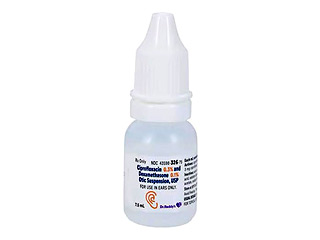
Ciprodex is an ear medicine that combines two active ingredients: ciprofloxacin (an antibiotic) and dexamethasone (a corticosteroid). It is designed to treat ear infections where bacteria and inflammation are both involved. This page provides clear, patient-friendly information about how Ciprodex works, how it is typically used, important safety considerations, and practical tips for best results.
Always follow the instructions provided with your medicine and any advice from your healthcare professional. If your symptoms worsen or do not improve within the expected timeframe, seek medical advice promptly.
1) Basic product information
Brand/Name: Ciprodex
Active ingredients: Ciprofloxacin + Dexamethasone
Dosage form: Ear drops
Common use: Treating bacterial infections and inflammation in the ear (e.g., otitis externa)
| Category | Information |
|---|---|
| Medicine type | Antibiotic + corticosteroid (for the ear) |
| Route | Topical use in the ear (ear canal) |
| Goal | Kill bacteria and reduce ear inflammation |
| Typical symptom relief | Reduced pain, swelling, itching, discharge (depending on cause) |
2) How Ciprodex works (mechanism of action)
Ciprodex contains:
- Ciprofloxacin: an antibiotic that works by interfering with bacterial DNA processes, preventing bacteria from growing and multiplying.
- Dexamethasone: a corticosteroid that reduces inflammation. It helps decrease swelling, redness, and discomfort caused by the immune response in the ear.
Together, these ingredients target both: bacterial infection (ciprofloxacin) and inflammation (dexamethasone).
3) Pharmacokinetics (what happens in the body)
Ciprodex is applied locally to the ear. In general, only a small amount of the medicine is expected to enter the bloodstream when the ear drum is intact. However, systemic absorption can increase if: the ear drum is not intact (e.g., a perforation) or there is active disease affecting the middle ear.
Key practical implications:
- Local effect in the ear canal is the primary goal.
- Less whole-body exposure than oral antibiotics is typical.
- If you have a known or suspected perforated eardrum, it is especially important to use the medicine only as directed by a clinician familiar with your ear condition.
4) What Ciprodex is used for (typical use and indications)
Ciprodex is commonly used for ear infections with inflammation, particularly:
- Otitis externa (infection of the outer ear canal), including cases where significant swelling and pain occur.
- Situations where a bacterial infection is suspected or confirmed and inflammation needs treatment at the same time.
It may not be appropriate for every ear problem. For example, ear pain can sometimes be caused by conditions that do not respond to antibiotics (such as viral illness, fungal infection, or irritation without infection).
Seek medical advice if you are unsure whether your symptoms match an infection in the ear canal.
5) How to use Ciprodex (timing and dosing)
Dosing can vary depending on the specific ear condition, severity, and your clinician’s instructions. Always use the exact directions provided with your product or healthcare plan.
Typical dosing (general guidance)
- Adults and children: The usual pattern for ear drops is to administer drops into the affected ear canal according to the prescribed schedule.
- Do not use more often or for longer than advised. If symptoms persist beyond the recommended course, contact a healthcare professional.
Because Ciprodex products and instructions may differ by country and packaging, the safest approach is: follow the label instructions exactly.
Timing tips for better results
- Choose times that help you remember (e.g., morning and evening), and keep a consistent schedule.
- If your ear is very blocked with discharge, a clinician may need to clean the ear canal before drops work best.
- Continue for the full course even if you feel better earlier.
Step-by-step practical use
- Wash your hands.
- Warm the bottle in your hand for a minute if the drops feel cold (this can improve comfort).
- If using for the first time, check the bottle for integrity and expiry date.
- Tilt your head so the affected ear faces upward.
- Gently pull the ear in the appropriate direction (for children, the ear is typically pulled slightly backward and downward; for adults, slightly upward and backward) to straighten the ear canal.
- Place the recommended number of drops into the ear canal without touching the tip to the ear.
- Keep your head tilted for a few minutes to allow the drops to flow inside.
- Wipe away any excess liquid with a clean tissue and wash your hands again.
Missed dose
If you miss a dose, apply it when you remember unless it is close to the next scheduled dose. Do not double up. If you are unsure, ask your pharmacist for advice.
6) Food interactions
Because Ciprodex is used in the ear, it is not usually affected by food. Food interactions are not expected for ear drops.
However, if ciprodex use is associated with discomfort or nausea from illness, keep hydration and follow general health advice.
7) Alcohol and medicine interactions
Ciprodex is topical and usually has limited systemic absorption. As a result, no direct alcohol interaction is expected for ear drop use.
That said, avoid alcohol where it may worsen dehydration, sleep, or overall illness recovery. If you are taking other medicines (especially other antibiotics or medicines affecting immunity), discuss your regimen with a pharmacist or clinician for personal guidance.
8) Safety profile and important precautions
Most people tolerate Ciprodex well. As with all medicines, there are potential side effects and special situations where extra caution is needed.
Common side effects
- Temporary burning or stinging in the ear after applying drops
- Itching or mild discomfort
- Dryness in the ear canal
- Headache (less common)
Less common but important side effects
- Allergic reactions (e.g., rash, swelling, facial tightness, trouble breathing) — seek urgent help if severe.
- Worsening ear symptoms or lack of improvement — contact a healthcare professional.
- Persistent discharge despite treatment — may require reassessment, culture, or cleaning of the ear canal.
Seek medical attention urgently if
- You develop severe pain, swelling around the ear, or fever.
- There is rapid worsening of symptoms.
- You notice signs of serious allergy (e.g., difficulty breathing, hives, swelling of lips/face).
- You have significant dizziness, severe vertigo, or hearing changes that concern you.
Special precautions
- Eardrum status matters: inform your clinician if you have a perforated eardrum, ear surgery history, grommets, or suspected middle ear involvement.
- Do not use in the eye or mouth.
- Stop and get advice if you develop a rash or signs of allergy.
- Keep the course as directed. Overuse may increase the risk of resistance or unnecessary corticosteroid exposure.
- Tell your doctor if you are immunocompromised (e.g., chemotherapy, uncontrolled diabetes, certain immune conditions), as ear infections can sometimes behave differently.
9) Practical use tips (to get the best effect)
- Keep the ear dry during treatment unless your clinician advises otherwise. Water can worsen outer ear infections.
- Avoid inserting cotton buds, fingers, or objects into the ear canal.
- If there is heavy discharge, you may need professional cleaning (debris can prevent drops from reaching the infected area).
- If you wear hearing aids or earplugs, ask your clinician when you can resume use and how to keep them clean.
- Store the bottle as directed on the label and keep it tightly closed between doses.
10) Alternative options (what else may be considered)
The best alternative depends on the cause of your ear problem (bacterial vs fungal vs inflammatory), your eardrum status, allergy history, and symptom severity. In general, clinicians may consider:
Possible alternatives
- Other topical antibiotic ear drops (without a steroid) if inflammation is mild or steroid use is not appropriate.
- Topical steroid alone in select inflammatory conditions (not an antibiotic solution for bacterial infection).
- Antifungal ear drops if fungal infection is suspected or confirmed.
- Systemic (oral) antibiotics in certain cases, especially if infection is not limited to the outer ear canal, or if severe disease is present.
If your symptoms are not improving, do not simply switch products without reassessment—persistent symptoms may indicate a different diagnosis or complications.
11) Market and legal context for Australia
In Australia, medicines are regulated under the Therapeutic Goods Act and overseen by the TGA (Therapeutic Goods Administration). Access to medicines can depend on their classification and local prescribing/dispensing requirements.
Ciprodex is an established ear drop brand in various markets. The exact availability and categorisation (including whether it is restricted) can vary based on current regulatory status, packaging, and supply conditions.
Online pharmacies in Australia typically require customer details and may perform checks to confirm suitability and compliance with Australian health regulations.
12) Recent guidance and best-practice considerations
Antibiotic stewardship is an important principle: antibiotics should be used when clearly needed and for the correct duration. For ear infections, clinicians often consider:
- Accurate diagnosis (distinguishing outer ear infections from middle ear infections or non-infectious causes).
- Ear canal cleaning when debris blocks treatment.
- Reviewing response if symptoms do not improve, since ongoing infection may require culture, alternative therapy, or further investigation.
- Limiting steroid exposure to the necessary period to reduce inflammation while avoiding unnecessary use.
If you have had recurrent ear infections, diabetes, or are immunocompromised, your clinician may advise closer follow-up.
13) Delivery and availability (Australia)
Availability of Ciprodex may vary by supplier and stock levels. Many online pharmacies offer delivery across Australia, with dispatch times depending on pharmacy processes and courier service schedules.
When ordering, check:
- Stock status and estimated dispatch time
- Expiry date (where visible)
- Delivery options (standard vs express, if offered)
- Packaging and temperature needs (ear drops are typically stable under normal conditions when stored correctly)
If you need the medicine urgently due to severe pain or worsening symptoms, contact the pharmacy for confirmation of dispatch timelines.
14) Frequently Asked Questions (FAQ)
How quickly should Ciprodex start working?
Many people notice some improvement within 48–72 hours. Pain and swelling may reduce first. If there is no improvement after a few days, or symptoms worsen, contact a healthcare professional for reassessment.
Can I use Ciprodex if I have ear tubes or a perforated eardrum?
You should only use Ciprodex if it has been recommended for your specific ear condition and eardrum status. Inform your clinician about ear surgery, grommets, or any known perforation before using ear drops.
Is it safe to swim or get water in my ear?
During treatment, it’s generally best to keep the ear dry. Swimming and water exposure can aggravate outer ear infections. Ask your clinician or pharmacist when it’s safe to resume water activities.
What if my ear still feels blocked after the drops?
Some fullness or reduced hearing can persist while swelling settles. However, persistent discharge, worsening pain, fever, or new symptoms may indicate ongoing infection or a different cause and should be reviewed.
Should I stop the drops once I feel better?
Generally, you should complete the recommended course to reduce the chance of recurrence and to treat the infection fully—even if symptoms improve earlier.
Can children use Ciprodex?
Ciprodex may be used in children for appropriate ear conditions, but dosing and suitability depend on age, diagnosis, and eardrum status. Follow the exact instructions on the medicine label and any clinician advice.
Are there any interactions with other ear drops?
Using multiple ear preparations at the same time can reduce effectiveness or increase irritation. Ask your pharmacist before combining products. If different medicines are prescribed, follow the spacing instructions provided.
What should I do if I accidentally get the drops in my eye or mouth?
If accidental contact occurs, rinse with water. If irritation persists or you experience any concerning symptoms, seek medical advice.
Can I drink alcohol while using Ciprodex?
Because Ciprodex is used in the ear, significant alcohol interactions are not expected. Still, if you are unwell, alcohol may worsen recovery—moderation is sensible.
What are the signs of an allergic reaction?
Stop using the medicine and seek urgent help if you develop hives, facial/lip swelling, or trouble breathing. Mild local irritation may occur, but persistent or severe reactions should be assessed.
When should I seek urgent help?
Seek urgent medical advice if you have severe ear pain, fever, swelling around the ear, severe dizziness, sudden hearing loss, or symptoms rapidly worsen despite treatment.
15) Summary
Ciprodex (ciprofloxacin/dexamethasone) is an ear drop medicine that combines an antibiotic with an anti-inflammatory steroid. It helps treat bacterial ear infections where inflammation is also present, aiming to reduce pain, swelling, and discharge. For best results, use it exactly as directed, keep the ear dry, avoid putting objects in the ear canal, and reassess if symptoms do not improve within a few days.