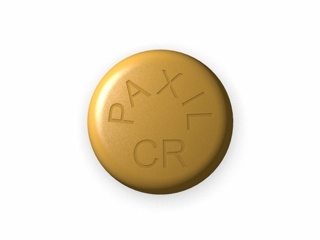


Paxil (Paroxetine) — Patient Information (Australia)
Paxil is the brand name for paroxetine, a medicine from the class of antidepressants known as selective serotonin reuptake inhibitors (SSRIs). Paroxetine is used to help treat a range of mental health conditions by improving communication between brain cells and balancing certain chemical signals.
This page provides practical, patient-friendly information about how Paxil works, what it’s commonly used for, how to take it safely, and what to consider regarding interactions, side effects, and Australia-specific availability and guidance.
Basic product information
| Item | Details |
|---|---|
| Brand name | Paxil |
| Generic name | Paroxetine |
| Medicine type | SSRI antidepressant |
| Common formulations | Tablets (formulation strength varies by product and market) |
| How it is taken | Oral (by mouth) |
| Typical treatment duration | Often several months or longer, depending on condition and response |
How Paxil works (mechanism of action)
Paxil (paroxetine) works by increasing the level and availability of serotonin in the brain. Serotonin is a chemical messenger involved in mood, anxiety, sleep, and overall emotional regulation.
- Paroxetine is an SSRI, meaning it selectively reduces the reuptake of serotonin by certain brain cells.
- With less serotonin being “reabsorbed,” more serotonin can remain available in the synaptic space (the area between neurons), supporting improved signalling over time.
- The benefits are usually not immediate; mood and anxiety symptoms typically improve after a period of consistent use.
Pharmacokinetics (how the body handles paroxetine)
Pharmacokinetics describes how a medicine is absorbed, distributed, metabolised, and eliminated. While individual experiences vary, the following general points help explain what to expect.
- Absorption: Paroxetine is absorbed after oral dosing; food can affect the speed/extent of absorption slightly.
- Distribution: It distributes throughout the body, including the central nervous system (brain).
- Metabolism: Paroxetine is metabolised mainly in the liver. This metabolism can be influenced by other medicines that affect liver enzymes.
- Elimination: Metabolites are excreted primarily via the kidneys.
- Half-life: Paroxetine has a relatively variable half-life compared with some other SSRIs. This is one reason why stopping suddenly can sometimes lead to discontinuation symptoms.
If you have kidney or liver problems, or take multiple medicines, discuss this with a healthcare professional so the plan can be tailored to your needs.
Typical uses and indications
Paxil is used for specific conditions where SSRIs can help reduce symptoms and improve functioning. Depending on the product registration and clinical context, it may be used for:
- Depression (including major depressive episodes)
- Obsessive-compulsive disorder (OCD)
- Generalised anxiety disorder and other anxiety disorders
- Social anxiety disorder (social phobia)
- Panic disorder
- Post-traumatic stress disorder (PTSD) (in some clinical settings)
Your exact indication and dose should match your diagnosis and treatment plan. If you’re not sure what condition Paxil is being used for in your case, ask your healthcare professional or pharmacist.
When it starts working (timing)
People often want to know when they’ll feel better. Response varies widely, but a typical pattern is:
- First days to 1–2 weeks: Some people notice changes in sleep, appetite, or anxiety “edge,” while others feel little change.
- 2–4 weeks: Many begin to see more noticeable improvements in mood and anxiety symptoms.
- 4–6+ weeks: Full benefits for some conditions (such as OCD) may take longer.
If symptoms worsen early in treatment or you feel severely unwell, seek medical advice promptly.
How to take Paxil (dosing overview)
Dosing depends on the condition being treated, your age, other health factors, and how you respond. Always follow the dose provided by your healthcare professional and the instructions on your product packaging.
General dosing principles:
- Start low, go slow: Paroxetine is often started at a modest dose and adjusted based on response and tolerability.
- Take at the same time each day: Many people find taking it at a consistent time helps adherence.
- Do not change dose suddenly: Changes should be guided by a healthcare professional.
- Missed dose: Take it when you remember unless it is close to the next dose. If you’re close, skip the missed dose and continue your usual schedule—avoid doubling up.
Important: Because paroxetine can cause discontinuation symptoms if stopped abruptly, any decision to stop should be done with a planned taper under professional guidance.
Food interactions (what to eat and drink)
Food interactions with paroxetine are generally not considered severe for most people, but there are practical tips:
- Consistency matters: Try to take your dose consistently with or without food to reduce variability.
- Grapefruit and similar foods: Grapefruit is more strongly linked to other medicine classes, but you should still check for interactions if you take additional medicines.
- Gastrointestinal effects: Some people experience nausea or stomach upset when starting. Taking with food may help if this happens.
If you have concerns about specific foods, dietary supplements, or herbal products (for example, St John’s wort), speak with a pharmacist.
Alcohol and medicine interactions
Alcohol
It’s best to limit or avoid alcohol while taking Paxil, especially at the beginning of treatment. Alcohol can worsen side effects such as:
- sleepiness, dizziness, impaired coordination
- worsening mood or anxiety
- increased risk of poor decision-making
If you choose to drink, do so cautiously and discuss your situation with a healthcare professional.
Other medicines that may interact
Paroxetine can interact with other medicines, particularly those affecting liver enzymes or serotonin levels. Tell your healthcare professional and pharmacist about everything you take, including:
- prescription medicines
- over-the-counter products (including pain relief and cold/flu remedies)
- herbal supplements
- recreational drugs
Examples of interactions to be aware of include:
- Other antidepressants or serotonergic medicines: Combining SSRIs with certain medicines can raise the risk of serotonin syndrome (a rare but serious condition).
- MAO inhibitors: Generally not taken together due to safety risks.
- Blood thinners/antiplatelet medicines: SSRIs can affect bleeding risk; caution may be required.
- NSAIDs and some pain medicines: May increase bleeding risk when combined with SSRIs.
- Medicines affecting liver enzymes: Some medicines can increase or decrease paroxetine levels, which may change side effects or effectiveness.
- Medicines that also affect serotonin or cause drowsiness: additive effects may occur.
If you’re unsure whether a medicine is compatible, ask your pharmacist before starting it.
Safety profile and side effects
Like all medicines, Paxil can cause side effects. Many are mild and often improve after the first couple of weeks, but some may require attention. If you develop severe symptoms or feel unwell, seek medical advice.
Common side effects
- nausea, stomach upset
- headache
- sleep changes (sleepiness or insomnia)
- increased sweating
- sexual dysfunction (for example, reduced libido or difficulty achieving orgasm)
- tremor or feeling “restless”
- dry mouth
- changes in appetite and weight (varies by person)
Less common but important risks
- Discontinuation symptoms: abrupt stopping can cause dizziness, nausea, “electric shock” sensations, irritability, sleep disturbances, and flu-like feelings. Tapering helps reduce this risk.
- Bleeding risk: bruising or bleeding more easily than usual may occur, particularly with blood thinners or NSAIDs.
- Hyponatraemia (low sodium): symptoms can include confusion, headache, weakness, or feeling unwell. This is more likely in older adults and those taking certain other medicines.
- Serotonin syndrome: rare. Symptoms may include agitation, fever, sweating, tremor, diarrhoea, fast heart rate, and confusion. Seek urgent help if suspected.
- Mania/hypomania: in susceptible individuals, antidepressants can trigger mood elevation and impulsive behaviour.
- Suicidal thoughts (early treatment period): in some people, particularly younger adults, symptoms may worsen initially. Close monitoring is important.
When to get urgent help
Seek urgent medical assistance (or call emergency services) if you experience:
- signs of serotonin syndrome (high fever, severe agitation, confusion, severe tremor)
- thoughts of harming yourself or others, or rapidly worsening mental state
- severe allergic reactions (swelling of face/lips, trouble breathing, hives)
- uncontrolled bleeding, fainting, or severe dizziness
Practical use tips (to make treatment easier)
- Give it time: antidepressant effects are gradual. If you feel no change at 1–2 weeks, that doesn’t necessarily mean it won’t work for you.
- Track symptoms: consider noting mood, anxiety, sleep, and side effects to help your healthcare professional decide whether adjustments are needed.
- Plan for side effects: mild nausea or sleep disruption can occur early. Taking with food or adjusting the dosing time (morning vs evening) may help—discuss options with your pharmacist.
- Don’t stop suddenly: if you want to stop or miss doses repeatedly, ask for a tapering plan.
- Review interactions regularly: new medicines, supplements, or changes in health can alter how Paxil works.
- Support matters: SSRIs often work best alongside psychological support (such as CBT or counselling) for many conditions.
Alternatives to Paxil (paroxetine)
Treatment choices depend on the specific diagnosis, personal history, side effect preferences, and response. If Paxil isn’t suitable or isn’t effective, clinicians may consider other approaches, including:
Other antidepressants (SSRIs and beyond)
- Other SSRIs (e.g., sertraline, fluoxetine, escitalopram, citalopram)
- Other antidepressant classes (e.g., SNRIs, tricyclic antidepressants, depending on the condition)
Non-medication options
- Psychological therapies such as CBT, exposure-based therapy, and trauma-focused therapies
- Lifestyle supports including sleep routine, exercise, and stress management
- Combined care (medicine plus therapy) for many anxiety and mood disorders
Switching between medicines should be managed carefully because of differing dosing and discontinuation effects. A healthcare professional can guide a safe transition.
Australia: market, legal and prescribing context
In Australia, Paxil (paroxetine) is generally supplied under established pharmaceutical and regulatory requirements. Medicines may have specific category classifications and availability rules set by Australian health authorities.
If you’re purchasing online, ensure the pharmacy you use operates lawfully and provides products that meet Australian standards. Your pharmacist can also confirm the correct product strength, formulation, and dosing instructions.
Recent guidance (general themes)
Australian mental health care commonly emphasises:
- careful monitoring early in treatment for symptom changes and side effects
- structured review of response and tolerability
- supportive care during initiation and discontinuation, including planned tapering
- consideration of comorbidities (for example, anxiety and depression together, sleep disturbance, or substance use)
Guidance can evolve over time; for the most up-to-date information, consult reputable Australian sources and your healthcare professional.
Delivery and availability
Online pharmacies may offer home delivery across Australia, subject to product availability, verification steps, and local regulations. Delivery times vary depending on:
- stock availability
- your location (metro vs regional/remote)
- shipping options selected
- processing and dispensing times
When ordering, ensure the medication strength matches what you were advised. If you receive a different strength or form, contact the pharmacy before use.
Storage and handling
- Store at room temperature (unless the product label instructs otherwise).
- Keep away from moisture and heat.
- Keep out of reach of children.
- Check the expiry date on the pack before use.
FAQ about Paxil (paroxetine)
1) How long does it take for Paxil to work?
Many people notice some changes within 2–4 weeks, with further improvement possible after 4–6 weeks or longer, depending on the condition and individual response.
2) Can I take Paxil in the morning or at night?
Yes, many people can choose based on side effects. If Paxil makes you sleepy, consider morning dosing (or discuss switching). If it causes insomnia or restlessness, evening dosing may worsen sleep—your pharmacist can help decide what’s best for you.
3) What happens if I miss a dose?
If you remember soon, take it. If it’s almost time for your next dose, skip the missed dose and continue as usual. Avoid taking extra doses to “catch up.”
4) Is it safe to drink alcohol while taking Paxil?
It’s generally advisable to avoid or limit alcohol because it may worsen side effects and mental wellbeing. If you plan to drink, discuss it with your pharmacist or clinician.
5) Why should I not stop Paxil suddenly?
Stopping abruptly can lead to discontinuation symptoms such as dizziness, nausea, irritability, and sleep disturbances. A planned taper helps minimise these effects.
6) What side effects are most common at the start?
Nausea, headache, sleep changes, increased sweating, and feeling slightly restless are among the more commonly reported early effects. Sexual side effects can also occur.
7) Can Paxil affect sexual function?
Yes. SSRIs including paroxetine can cause sexual dysfunction in some people. If this becomes bothersome, talk to a healthcare professional—there may be adjustment options.
8) Are there foods I should avoid?
There are no universal dietary restrictions, but taking it consistently with or without food may help. If you experience nausea, taking with food can sometimes reduce stomach upset.
9) Are there medicines or supplements I should be cautious with?
Yes. Tell your pharmacist about all medicines and supplements. Particular caution applies to serotonergic medicines and certain blood thinners/anti-inflammatory pain medicines due to potential risks.
10) Is Paxil suitable for everyone?
Paxil may not be appropriate for all patients due to medical history, current medicines, and personal risk factors. Always discuss your health conditions and medication list with a healthcare professional.
11) What if I feel worse after starting Paxil?
Some people experience temporary worsening early in treatment. If you feel significantly worse, have alarming thoughts, or develop severe agitation, seek medical advice urgently.
12) Where can I get reliable information in Australia?
Your pharmacist is a great first source. You can also consult reputable Australian health resources and product information from the manufacturer.
Reminder: This information is designed to help you understand Paxil (paroxetine) and how it’s commonly used. It doesn’t replace individual advice. If you have questions about your specific condition, dose, or interactions, ask a pharmacist or healthcare professional.