Copegus (Ribavirin) – Patient Information (Australia)
Copegus contains ribavirin, an antiviral medicine used in combination with other treatments for certain viral infections. This page explains how Copegus works, how it is typically used, important safety information, and practical tips to help you use your medicine safely.
If you have questions about your specific treatment plan, always follow the advice given by your healthcare professional.
1. Basic Product Information
- Medicine name: Copegus
- Active ingredient: Ribavirin
- Type: Antiviral medicine
- Common uses: Used with other medicines for chronic hepatitis C (in selected situations)
- Brand availability: Copegus is a branded form of ribavirin
- Where it’s used: Australia (availability may depend on product supply and treatment guidelines)
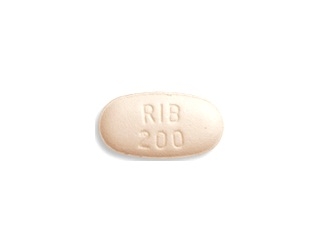
Note: Ribavirin may be supplied as tablets/capsules depending on the product packaging available in your area. Always check the strength and form on your box or label.
2. How Copegus Works (Mechanism of Action)
Ribavirin is a nucleoside analogue (a type of antiviral that resembles building blocks used by viruses). While the exact antiviral pathway is complex, ribavirin is believed to interfere with viral replication in several ways, including:
- Inhibiting viral RNA/DNA synthesis: It disrupts how viruses copy their genetic material.
- Altering the viral replication environment: It may reduce effective viral replication within cells.
- Modulating immune responses: It can influence immune activity that helps control infection.
- Reducing viral fitness: Ribavirin may produce viral “mistakes” that make new virus particles less able to spread.
In many hepatitis C treatment regimens, ribavirin is used together with another antiviral (and historically with interferon-based therapies) to improve the chance of sustained viral response.
3. Pharmacokinetics (How Your Body Handles Ribavirin)
Pharmacokinetics describes how the body absorbs, distributes, metabolises, and eliminates a medicine. Ribavirin has characteristics that are important for dosing and safety:
- Absorption: Oral ribavirin is absorbed after you take a dose, though the amount absorbed can vary between people.
- Distribution: It spreads throughout the body and accumulates in tissues.
- Half-life: Ribavirin is known for a long terminal half-life, meaning it can remain in the body for weeks after treatment stops.
- Metabolism: It is metabolised primarily through pathways involving phosphorylation and other biochemical processes.
- Excretion: Mainly eliminated via the kidneys.
Because ribavirin is eliminated through the kidneys, kidney function can strongly influence drug levels. If you have reduced kidney function, dose adjustments may be required and monitoring may be closer.
4. Typical Use: What Copegus is Used For
Copegus (ribavirin) is most commonly used in combination regimens for hepatitis C—particularly in settings where combination therapy includes ribavirin. The exact regimen depends on factors such as viral genotype, previous treatment history, liver condition, and current national guidance.
Ribavirin may be considered for people with hepatitis C when combination therapy is indicated by clinicians based on:
- Hepatitis C genotype and treatment plan
- Whether the person has been treated before
- Liver fibrosis or cirrhosis status
- Other health conditions (including kidney function and blood counts)
- Drug interactions with other medicines in the regimen
Do not use ribavirin alone unless specifically instructed as part of your treatment plan.
5. How to Take Copegus: Timing and Practical Instructions
When to take it
- Take Copegus at the same times each day to maintain consistent drug levels.
- Follow the dosing schedule provided on your label.
- If you are taking more than one tablet/capsule per day, your prescriber will specify a split dose schedule (commonly morning and evening).
How to take it
- Swallow whole with water.
- Do not crush or break unless your product information specifically allows it.
- If you miss a dose, take it when you remember unless it is close to the time of the next dose. Do not take a double dose.
Food and timing
Ribavirin can be affected by how it is taken with food. Your medicine label or product information should specify whether it should be taken with meals. Many ribavirin regimens recommend taking it with food to improve tolerability and reduce variability in absorption.
6. Food Interactions
Food can influence absorption of ribavirin. To reduce variability and support consistent exposure:
- Take with food if your instructions say to do so.
- Try to keep meals consistent day-to-day (similar timing and size).
If you have dietary restrictions or you are changing your meal schedule (for example, shift work, reduced appetite, vomiting), discuss this with your healthcare team because it may affect tolerance and how well the medicine works.
7. Alcohol and Medicine Interactions
Alcohol
Alcohol should generally be avoided or strictly limited during hepatitis C treatment and recovery, because alcohol can worsen liver inflammation and damage. If you drink alcohol, discuss a safe plan for stopping or reducing intake with your clinician.
Interactions with other medicines
Ribavirin can interact with several medicines, and the overall safety depends on the exact combination regimen you are taking. Tell your healthcare professional or pharmacist about all medicines you use, including:
- Prescription medicines
- Over-the-counter products
- Herbal supplements (e.g., St John’s wort)
- Vitamins and minerals
Common interaction considerations
- Kidney-affecting medicines: Because ribavirin is cleared by the kidneys, medicines that affect kidney function may require extra monitoring.
- Blood-related effects: Ribavirin can lower red blood cells (haemolytic anaemia). Medicines that also affect blood counts may increase risk.
- Combination antivirals: In hepatitis C regimens, ribavirin is used alongside other antivirals; the interaction profile is often guided by the full regimen.
If you are unsure whether a medicine is safe to take with your regimen, ask a pharmacist before starting it.
8. Indications (When Copegus may be used)
Copegus (ribavirin) is indicated as part of combination antiviral therapy for hepatitis C in selected circumstances, according to established clinical guidelines. The exact use depends on your treatment regimen and clinical factors.
Your prescriber will consider:
- Viral genotype and treatment history
- Presence of cirrhosis and severity of liver disease
- Eligibility and suitability for specific combination regimens
- Risk factors for side effects (especially blood count changes and kidney function)
9. Dosing: How Much and How Often
Ribavirin dosing is individual and depends on the exact regimen, your body weight (in some settings), kidney function, and the other medicines used with it. For that reason, the most reliable dosing information is the schedule provided for you on your prescription label and treatment plan.
General dosing principles
- Follow your label exactly.
- Doses may be adjusted based on blood test results.
- People with reduced kidney function typically require dose changes and more monitoring.
- If significant side effects occur (particularly anaemia), clinicians may reduce the dose or interrupt therapy.
Monitoring-driven dose changes
Ribavirin can cause a drop in haemoglobin. Your clinician may check:
- Full blood count (haemoglobin/red blood cells)
- Liver function tests
- Kidney function (creatinine/eGFR)
If your blood counts drop, you should not change your dose yourself—contact your clinician for advice.
10. Safety Profile: Side Effects and When to Get Help
Like all medicines, Copegus can cause side effects. Many are manageable, but some require prompt attention. Below is a patient-friendly overview of commonly reported and important risks.
Common side effects
- Fatigue, tiredness
- Headache
- Nausea and reduced appetite
- Shortness of breath (can relate to anaemia)
- Skin reactions (rash may occur)
- Sleep disturbance
Important risk: Anaemia (low red blood cells)
Ribavirin can cause haemolytic anaemia (red blood cell breakdown), leading to reduced oxygen delivery. Symptoms may include:
- Unusual tiredness or weakness
- Dizziness
- Fast heartbeat or palpitations
- Breathlessness, especially on exertion
If you develop significant symptoms, contact your healthcare professional urgently.
Other serious side effects (seek medical advice promptly)
- Chest pain or severe shortness of breath
- Severe allergic reactions (swelling of face/lips, trouble breathing, widespread rash with fever)
- Severe depression or mood changes (especially if used with other medicines that may affect mood)
- Severe infection symptoms (fever, persistent chills)
Pregnancy and fertility: critical warnings
Ribavirin can cause significant harm to an unborn baby. It is essential to use effective contraception and avoid pregnancy during therapy and for a period after stopping, according to your clinician’s instructions.
- For women: pregnancy must be avoided before, during, and after treatment for the required time period.
- For men: pregnancy must be avoided for partners during treatment and for the required time period.
- Contraception guidance should be reviewed with your healthcare team.
If pregnancy is possible, discuss contraception and pregnancy testing with your clinician before starting therapy.
11. Practical Use Tips (Patient-Friendly)
- Plan your routine: Choose a consistent time and link it to a meal or daily habit.
- Don’t run out: Refill early so you don’t miss doses due to supply delays.
- Keep monitoring appointments: Blood tests are an important part of safe ribavirin therapy.
- Hydrate: Adequate fluid intake may help with general wellbeing, though it doesn’t replace blood monitoring.
- Manage fatigue: Rest when needed; consider pacing activities.
- Report mood changes quickly: Seek help if you notice new or worsening depression, anxiety, irritability, or suicidal thoughts.
- Avoid alcohol: It can worsen liver disease and overall outcomes.
- Use a medication list: Carry a list (or photo) of all medicines and supplements you take.
Many people benefit from having a support person during treatment, especially to help track side effects and attendance at follow-up visits.
12. Alternative Options
Alternative options depend on the specific hepatitis C situation and current Australian treatment pathways. In many cases, modern direct-acting antivirals (DAAs) have largely replaced older interferon- and ribavirin-heavy regimens.
Your clinician may consider alternatives such as:
- Direct-acting antivirals (DAAs) for hepatitis C, tailored to genotype and liver status
- Regimens without ribavirin when appropriate
- Supportive and monitoring-only strategies in certain circumstances where therapy is delayed or not suitable
Discuss with your clinician which option is most appropriate for you, based on your medical history, liver health, previous treatments, and likely benefit/risk.
13. Copegus in the Australian Market: Legal and Guidance Context
In Australia, the supply and use of prescription-only medicines is governed by the Therapeutic Goods Administration (TGA) and prescribing rules under Australian law. Availability can depend on product listing, stock, and clinical guidance at the time.
Clinical guidance for hepatitis C management is typically aligned with recommendations from Australian and international bodies, and may change as newer therapies become available and as evidence evolves.
Recent guidance (what to expect)
- Emphasis on ribavirin-sparing regimens: Newer hepatitis C therapies often reduce or avoid the need for ribavirin in many patients.
- Individualised treatment: Regimens are chosen based on viral factors, liver disease stage, and prior treatment history.
- Safety monitoring focus: When ribavirin is used, monitoring of blood counts and kidney function remains central.
Your treatment plan should reflect the latest advice used by clinicians in Australia.
14. Delivery and Availability (Online Pharmacy Australia)
Product availability can vary due to supply, prescribing requirements, and regional stock levels. When available, typical online pharmacy ordering may include:
- Order processing: Verification and packaging preparation
- Shipping: Delivery to your selected address
- Tracking: Some suppliers provide delivery updates
Delivery times depend on location and current supply. If an item is temporarily unavailable, some pharmacies may provide alternatives or advise on expected restock dates.
For the most accurate delivery estimate, check the product page and checkout information.
15. FAQ – Copegus (Ribavirin)
Is Copegus the same as ribavirin?
Yes. Copegus is a brand name that contains ribavirin as the active ingredient.
Why is ribavirin often used with other medicines?
Ribavirin is generally used as part of a combination antiviral regimen. Using a combination approach improves the effectiveness of treatment for hepatitis C in selected situations.
How long does ribavirin stay in the body?
Ribavirin has a long terminal half-life, so it can remain in the body for weeks after you stop taking it. This is why contraception guidance often includes a period after treatment ends.
What blood tests will I need?
Your clinician may monitor:
- Full blood count (especially haemoglobin/red blood cells)
- Kidney function
- Liver function tests
Can I drink alcohol while taking Copegus?
It’s strongly advised to avoid alcohol during hepatitis C treatment and recovery because it can worsen liver disease. If you’re unsure, discuss with your healthcare professional.
What should I do if I miss a dose?
Take it as soon as you remember unless it’s close to your next scheduled dose. Do not take a double dose. If you miss multiple doses, contact your pharmacist or healthcare team for advice.
Can I stop early if I feel better?
Do not stop early unless your clinician advises it. Completing the planned course helps treatment outcomes. If side effects are troublesome, seek advice—your clinician may adjust the dose or manage symptoms.
Are there any food restrictions?
Food can affect ribavirin absorption. Follow your instructions—many regimens advise taking ribavirin with food. Keep meal timing consistent and discuss issues such as vomiting or poor intake with your healthcare team.
Who should be extra cautious?
Extra caution and monitoring may be needed if you have:
- Kidney impairment
- Low blood counts or prior anaemia
- Significant liver disease
- History of depression or mood disorders
What are “red flag” symptoms I should not ignore?
Seek urgent medical advice if you experience:
- Chest pain, severe shortness of breath, or fainting
- Signs of a severe allergic reaction
- Severe or worsening mood changes, or any suicidal thoughts
- Symptoms suggesting significant anaemia (marked breathlessness, extreme weakness)
Summary
Copegus (ribavirin) is an antiviral medicine used as part of combination therapy for hepatitis C in selected situations. It works by interfering with viral replication and can also affect immune and replication processes. Because ribavirin remains in the body for a long time and can affect blood counts and kidneys, it requires careful dosing and monitoring. Avoid alcohol, follow a consistent routine with meals if advised, and contact your healthcare team promptly if you experience significant side effects.
This information is designed to be patient-friendly and does not replace medical advice. Always rely on the guidance from your healthcare professional and the instructions provided with your medication.