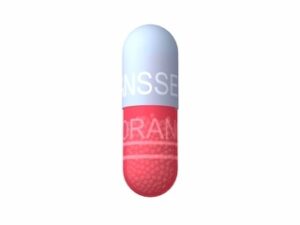


Diflucan (Fluconazole) – Patient Information (Australia)
Diflucan is a brand of fluconazole, a medicine used to treat infections caused by certain fungi, especially Candida (yeast). In Australia, fluconazole is widely used for common fungal infections of the mouth, skin and genitals, and for certain more serious fungal diseases under medical supervision.
This page is designed to help you understand what Diflucan does, how it works, when it’s used, and what to consider to use it safely. Always read the consumer medicine information (CMI) that comes with your product and follow the directions provided by your healthcare professional.
Quick facts
- Active ingredient: Fluconazole
- Medicine type: Antifungal (triazole)
- Common fungal targets: Yeasts such as Candida
- Common forms: Tablets/capsules and sometimes oral suspension (varies by product)
- Typical dosing style: Often once daily, and sometimes a single dose depending on the condition
- How it’s taken: By mouth
- Key considerations: Drug interactions, liver health, pregnancy precautions, and kidney function
How Diflucan works (mechanism of action)
Fluconazole works by blocking an enzyme involved in fungal cell membrane formation. Specifically, it inhibits lanosterol 14α-demethylase, a key step in synthesising ergosterol—a vital component of the fungal cell membrane.
Without sufficient ergosterol, fungal cells become unable to function properly, leading to either stopping growth or killing susceptible fungi depending on the infection and drug concentration.
Pharmacokinetics (how the body handles fluconazole)
Understanding how fluconazole moves through the body can help you anticipate how it behaves.
| Feature | What to expect |
|---|---|
| Absorption | Fluconazole is absorbed well after oral dosing, with high bioavailability. |
| Time to peak levels | Typically reaches peak concentration within a few hours of taking the dose. |
| Distribution | Distributes through body fluids and tissues, including mucosal areas; it can reach therapeutic levels in sites such as the oral cavity and vagina. |
| Metabolism | Partly metabolised in the liver, but a significant portion is excreted unchanged. |
| Elimination | Mostly eliminated by the kidneys. |
| Half-life | Long half-life supports once-daily (and sometimes single-dose) regimens depending on the condition. |
Kidney function matters: Because fluconazole is cleared largely through the kidneys, dose adjustments may be needed in people with reduced kidney function.
Liver function matters: Fluconazole can rarely cause liver irritation or more significant liver injury, particularly with higher doses or longer courses.
Typical uses of Diflucan (indications)
Diflucan is used to treat infections caused by Candida and other susceptible fungi. Indications vary depending on local product approvals and clinical protocols.
Common uses include:
- Vaginal thrush (vulvovaginal candidiasis): Itching, irritation, redness, and discharge associated with yeast infection.
- Oral thrush (oral candidiasis): White patches, soreness, altered taste, or difficulty eating.
- Oesophageal candidiasis: Difficulty swallowing or pain when swallowing, sometimes seen in people with weakened immune systems.
- Skin and nail fungal infections: In some cases where fluconazole is appropriate (often other antifungals are used depending on the fungus).
- Systemic fungal infections: More serious infections may require longer treatment and specialist management.
Important: Fluconazole is not intended for viral infections (such as colds or influenza) or bacterial infections.
How to take Diflucan – timing and practical use tips
When should you take it?
Diflucan is generally taken once daily for many conditions. For some vaginal thrush treatments, a single dose regimen may be used. Your product instructions or healthcare professional guidance will specify the correct schedule.
Choose a consistent time: Take it at the same time each day if you’re on a multi-day course. If you miss a dose, follow the instructions in the CMI or contact your healthcare professional for advice.
Can you take it with food?
Usually yes. Fluconazole can be taken with or without food. If it upsets your stomach, taking it with a light meal may improve comfort.
Drink water and follow the course
- Swallow tablets/capsules with water.
- Complete the full course even if symptoms improve early, unless you’ve been advised to stop.
- If symptoms return quickly after treatment, you may need reassessment—recurrent thrush can have different underlying causes.
Food interactions
Fluconazole has no major food interaction for most people. Taking it with food is generally acceptable. However, if you have specific dietary restrictions or experience nausea, choose what is most comfortable.
Tip: If you also take antacids or supplements, spacing may be helpful depending on the specific product. Check the CMI or ask a pharmacist about your exact combination.
Alcohol and medicine interactions
Alcohol
Moderate alcohol is not always strictly prohibited, but because fluconazole can rarely affect the liver, it’s wise to be cautious—especially if you have liver disease or are taking higher doses/longer courses.
- Best approach: Limit or avoid alcohol while you’re taking Diflucan, and avoid binge drinking.
- Stop and seek help: If you develop signs of liver problems (yellowing of the skin/eyes, dark urine, severe fatigue, persistent nausea), contact a healthcare professional urgently.
Medicine interactions (very important)
Fluconazole can interact with other medicines because it can affect liver enzymes involved in drug metabolism. Some interactions can be serious.
Tell your pharmacist or healthcare professional about all medicines you take, including:
- Prescription medicines
- Over-the-counter products
- Herbal remedies and supplements
Examples of medicines that may interact with fluconazole include:
- Warfarin and other anticoagulants: Increased risk of bleeding due to changes in clotting levels.
- Some heart rhythm medicines: Potential for QT prolongation (a heart rhythm issue).
- Some antiepileptics: Levels may change depending on the exact medicine.
- Oral diabetes medicines (e.g., sulfonylureas): Risk of low blood sugar may increase.
- Immunosuppressants: Levels can change, affecting safety.
- Certain antibiotics and antifungals: Interaction risk varies.
- Rifampicin (TB medicine): Can reduce fluconazole levels.
- Hydrochlorothiazide (some diuretics): May increase fluconazole levels in some cases.
Do not start, stop, or change doses of other medicines without checking first.
Dose information (typical dosing patterns)
Dosing depends on the infection type, severity, your age, and kidney/liver function. Below are common dosing patterns used for fluconazole; your exact instructions may differ based on your diagnosis and local guidance.
| Condition (examples) | Common dosing pattern* | Notes |
|---|---|---|
| Vaginal thrush | Often a single dose (commonly 150 mg) or a short course depending on local protocol | Symptoms usually improve within a few days; follow guidance on repeat dosing if advised. |
| Oral thrush | Typically once daily for several days | Complete the course to reduce recurrence. |
| Oesophageal candidiasis | Typically once daily for a longer course | May require medical review, especially if swallowing is painful. |
| Invasive/systemic fungal infections | Often higher doses and longer treatment under specialist care | Monitoring may be required. |
*Exact dose and duration should follow your product instructions or the advice you receive from your healthcare professional.
Kidney impairment: Dosing frequency may be reduced in people with reduced kidney function to avoid excessive drug levels.
Children and older adults: Dose selection depends on weight, maturity, and medical history—use the guidance provided in the CMI or by a healthcare professional.
Safety profile and possible side effects
Most people tolerate Diflucan well
Like all medicines, fluconazole can cause side effects. Many are mild and temporary.
Common side effects
- Headache
- Nausea or stomach discomfort
- Diarrhoea
- Rash (may occur)
- Changes in taste (sometimes)
Less common but important risks
- Liver effects: Rarely, fluconazole can cause liver inflammation or injury. Seek urgent advice if you develop jaundice, dark urine, severe fatigue, or persistent vomiting.
- Severe skin reactions: Rarely, serious hypersensitivity or skin conditions can occur. Get urgent help if you develop blistering, widespread rash, or sores in the mouth.
- Heart rhythm (QT prolongation): Risk may be higher with certain other medicines or underlying risk factors.
- Allergic reactions: Swelling of the face/lips, breathing difficulties, or widespread hives require urgent medical attention.
When to seek medical advice promptly
- Symptoms do not improve after a few days (or as advised)
- Infection rapidly worsens
- You have frequent recurrences
- You experience severe abdominal pain, vomiting, or signs of liver injury
- You develop a serious rash or breathing difficulty
Safety considerations (who should be extra careful)
- Pregnancy: Fluconazole may not be suitable for all pregnancy stages. In general, it should be used cautiously and only when the benefits outweigh the risks. Discuss with a healthcare professional if you are pregnant or planning pregnancy.
- Breastfeeding: Fluconazole can pass into breast milk. Advice depends on dose and duration.
- Children: Use age-appropriate dosing and formulations; confirm suitability with the CMI and healthcare professional advice.
- Liver disease: Extra monitoring may be required.
- Kidney impairment: Dose adjustment may be necessary.
- Drug allergies: Seek medical advice if you’ve previously reacted to fluconazole or related medicines.
Practical tips to improve outcomes and reduce recurrence
Medication helps treat the fungus, but the following practical measures can support recovery and reduce the likelihood of repeat infection.
- Maintain good hygiene: Keep the affected area clean and dry. Avoid harsh soaps or douching.
- Wear breathable clothing: Choose cotton underwear and loose-fitting clothing.
- Avoid irritants: Avoid fragranced washes, sprays, and scented pads or liners if they worsen symptoms.
- Finish the dose as directed: Even when symptoms improve, completing the course helps prevent regrowth.
- Manage underlying factors: Recurrent thrush can be linked to diabetes, frequent antibiotic use, hormonal changes, steroid use, or immune conditions. Discuss ongoing management if episodes repeat.
- Sexual health considerations (vaginal thrush): Some people notice symptom changes after intercourse. Using barriers and avoiding irritants may help. Partner treatment is not always required—ask your healthcare professional for personalised advice.
Alternative antifungal options
Depending on the infection site and cause, different antifungal medicines may be considered. Alternatives may include:
- Topical azole antifungals (e.g., clotrimazole or miconazole creams/pessaries for vaginal or skin yeast infections)
- Other oral antifungals (choice depends on the suspected organism, infection severity, and interaction profile)
- Nystatin (often used for oral thrush in some settings)
Why an alternative might be chosen: Your symptoms, your medical history, pregnancy status, drug interactions, the likely fungus type, and whether the infection is localised or widespread can all influence the best option.
Diflucan in the Australian market and legal/clinical context
In Australia, antifungal medicines such as fluconazole are regulated through the Australian regulatory system administered by the TGA (Therapeutic Goods Administration). Availability can vary by brand/formulation and whether a product is supplied under certain scheduling categories.
Online pharmacies may only supply medicines in accordance with Australian requirements. This typically involves ensuring appropriate product selection, screening for interactions and suitability, and providing correct patient information.
Recent guidance (high level): Clinical practice for Candida infections emphasises confirming the diagnosis when symptoms are recurrent or complicated, reviewing risk factors (for example, diabetes and immune suppression), and considering local resistance patterns and drug interaction risks. Healthcare providers also stress careful use in pregnancy and monitoring for liver issues when longer or higher-dose treatment is required.
Delivery and availability (online pharmacy)
Diflucan availability may depend on stock levels and the specific presentation (strength and form). When ordering online:
- Check product details carefully: Confirm the strength (e.g., 50 mg, 150 mg) and formulation (tablet/capsule/suspension) before purchase.
- Delivery timelines: Delivery times vary by location and courier service. Your order confirmation should include expected dispatch and delivery windows.
- Cold-chain storage: Most fluconazole products do not require refrigeration unless specified on the package.
- Packaging: Medicines should be delivered in appropriate pharmacy packaging to maintain integrity.
If you need urgent help: If you have severe symptoms (for example, difficulty breathing, significant rash, or signs of serious infection), seek urgent medical care rather than waiting for delivery.
FAQ – Common questions about Diflucan (Fluconazole)
1) What is Diflucan used for?
Diflucan (fluconazole) is used to treat fungal infections, particularly infections caused by Candida yeast. Common examples include vaginal thrush (vulvovaginal candidiasis), oral thrush, and certain deeper fungal infections depending on severity and risk factors.
2) How quickly will Diflucan work?
Many people notice improvement within 1–3 days for common yeast infections, but complete resolution may take longer. If symptoms don’t improve within the expected timeframe, or they worsen, contact a healthcare professional.
3) Can I take Diflucan with food?
Yes. Fluconazole is usually taken with or without food. If it makes your stomach feel unsettled, taking it with a meal may help.
4) Can I drink alcohol while taking Diflucan?
It’s safest to limit or avoid alcohol during treatment, especially if you have liver problems or are on a longer/heavier dose regimen. Seek urgent medical advice if you develop signs of liver injury.
5) What drug interactions should I watch for?
Fluconazole can interact with several medicines, including warfarin and some heart rhythm medicines, as well as certain diabetes, immune, and epilepsy medicines. Always share your full medicine list with a pharmacist to check safety.
6) What if I miss a dose?
If you miss a dose, do not double up unless the CMI or your healthcare professional advises it. Refer to the instructions supplied with your medicine, or ask a pharmacist for specific guidance based on your dosing schedule.
7) Is Diflucan safe in pregnancy?
Fluconazole may not be suitable for all pregnancy situations. If you are pregnant, trying to conceive, or breastfeeding, discuss your situation with a healthcare professional before using fluconazole.
8) Why does thrush keep coming back?
Recurrent thrush can be linked to factors such as diabetes, frequent antibiotic use, steroid inhalers/tablets, immune conditions, or irritation. If you have repeat episodes, it’s important to get assessed for underlying causes and confirm the diagnosis.
9) Can I use Diflucan if I’m taking other antifungal creams or pessaries?
Sometimes combination therapy may be used for particular cases, but it depends on the infection and symptoms. It’s best to check with a pharmacist, especially if you’re using multiple products that affect fungal growth.
10) When should I seek urgent help?
Get urgent medical assistance if you develop swelling of the face/lips, trouble breathing, a severe or blistering rash, or symptoms suggesting liver injury (such as yellowing of the skin/eyes or dark urine).
References and product information
For the most accurate details on dosing, contraindications, and side effects for your specific Diflucan product, please refer to the consumer medicine information (CMI) supplied with your medication. This website information is general and may not cover every individual situation.