
Serophene (Clomiphene) – Patient-Friendly Guide (Australia)
Serophene is a brand of clomiphene, a medicine used to help stimulate ovulation in people who experience infertility related to not ovulating regularly (anovulation) or irregular ovulation. It is commonly prescribed as an oral treatment and is often used when pregnancy is being planned.
This guide is written to help you understand how Serophene works, how it is typically taken, what to expect, and important safety considerations. It also covers food, alcohol, other medicines, and practical tips for best results in everyday life in Australia.
Quick facts
- Active ingredient: Clomiphene (commonly as clomiphene citrate)
- Brand: Serophene
- What it’s for: Ovulation induction to support conception
- How it’s taken: By mouth, usually for a cycle of 5 days early in the menstrual cycle
- Common timeframe to pregnancy: Often assessed over several ovulatory cycles (response varies)
- Key safety notes: Ovarian overstimulation risk, visual symptoms, and pregnancy prevention while taking
Basic product information
| Category | Information |
|---|---|
| Medicine name | Serophene |
| Active ingredient | Clomiphene (clomiphene citrate) |
| Common formulation | Oral tablet |
| Typical use | Ovulation induction in people who do not ovulate regularly |
| Onset of action | Works via hormone signals over the menstrual cycle; ovulation usually occurs after treatment |
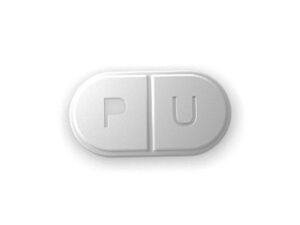
Product strengths, pack sizes, and availability can vary. Your pharmacist can confirm the exact brand presentation you are purchasing.
How Serophene works (mechanism of action)
Serophene is a selective oestrogen receptor modulator (SERM). In simple terms, it blocks oestrogen’s feedback signals to the brain (hypothalamus and pituitary). When the brain senses less effective oestrogen signalling, it increases production of hormones that stimulate the ovaries.
Specifically, clomiphene helps increase:
- FSH (follicle-stimulating hormone) – supports growth of ovarian follicles
- LH (luteinising hormone) – contributes to triggering ovulation (the release of an egg)
The result can be regular ovulation, which improves the chance of conception in suitable patients.
Pharmacokinetics (how your body handles the medicine)
Pharmacokinetics describes absorption, distribution, metabolism, and elimination. While individual responses vary, the overall pattern is helpful for understanding timing.
- Absorption: Clomiphene is absorbed after oral dosing.
- Distribution: It is distributed throughout the body and can remain active in the system for a longer period.
- Metabolism: Clomiphene is metabolised mainly in the liver.
- Elimination: Metabolites are cleared through both bile and urine, with an overall long half-life.
Because clomiphene can stay in the body for some time, careful cycle planning and pregnancy avoidance during treatment are important.
Typical use and who may benefit
Serophene is used to induce ovulation. It is most commonly considered when there is a history of irregular or absent ovulation and pregnancy is being planned.
In practice, it may be used for conditions such as:
- Anovulatory infertility (not ovulating)
- Polycystic ovary syndrome (PCOS) with irregular ovulation (after assessment)
- Ovulatory dysfunction where cycles are irregular and ovulation is not reliably occurring
Success depends on underlying fertility factors beyond ovulation (for example, partner sperm parameters, tubal status, and overall reproductive health).
Indications (what it’s used for)
The main indication for clomiphene is ovulation induction in patients who do not ovulate regularly and wish to conceive.
Your clinician may consider Serophene as part of a fertility plan after evaluating:
- Cycle history and evidence of ovulation
- Hormonal assessment
- General health and potential contraindications
- Other causes of infertility (including partner factors)
How to take Serophene: dosing and cycle timing
Dosing is individual and should follow your treatment plan. Typical dosing patterns used for ovulation induction include a short course early in the menstrual cycle.
Typical cycle timing
- Serophene is usually started on the 2nd to 5th day of your menstrual period (depending on the clinician’s plan and your cycle).
- It is commonly taken once daily for 5 days.
- Ovulation often occurs approximately 5–10 days after the last tablet, but this can vary.
Dosing overview
Many people start with a lower dose to see if ovulation is achieved, then the dose may be adjusted in later cycles if needed. Clinicians often reassess response with:
- Mid-luteal progesterone testing
- Ultrasound monitoring in some cases
- Cycle changes and ovulation signs
Because dosing depends on your response and safety considerations, it’s important to use the dose described in your plan.
When to have intercourse or timed intercourse
To maximise the chance of conception, many clinicians recommend intercourse around the time of expected ovulation. Helpful timing approaches can include:
- Regular intercourse every 1–2 days during the fertile window
- Ovulation monitoring (for example, ultrasound or home ovulation tests), as appropriate
- Progesterone confirmation in later cycles, if used
What to expect: common timing-related effects
- After starting: You may notice no immediate changes for several days.
- Mid-cycle: When ovulation approaches, some people feel breast tenderness or bloating.
- After ovulation: Mild effects related to hormonal shifts may continue into the luteal phase.
- Menstrual pattern: If ovulation occurs, you may have a more predictable cycle than before treatment; if not, bleeding patterns may still be irregular.
If you do not get your period when expected, take a pregnancy test if advised by your clinician or if you have any pregnancy concern.
Food interactions
Serophene can generally be taken with or without food. Taking it with a meal may reduce stomach upset for some people.
There are no widely recognised “forbidden” foods specifically linked to clomiphene. However, maintaining a balanced diet and staying hydrated support overall health during fertility treatment.
If you have gastrointestinal side effects (nausea, bloating, abdominal discomfort), try:
- Taking tablets after a light meal
- Smaller meals rather than very large ones
- Avoiding large amounts of alcohol (also see alcohol section)
Alcohol and medicine interactions
Alcohol
While moderate alcohol may not directly change clomiphene’s effectiveness for everyone, alcohol can affect fertility and pregnancy health and may worsen nausea, headaches, or mood changes.
If you are planning pregnancy, consider limiting or avoiding alcohol. If you choose to drink, keep it moderate and discuss your situation with a clinician.
Interactions with other medicines
Several medicine groups may interact with clomiphene or affect fertility treatment decisions. Always inform your pharmacist or clinician about:
- Any fertility medicines or hormone treatments
- Thyroid medicines
- Diabetes medicines
- Seizure medications
- Medicines for inflammation or pain
- Herbal products and supplements
Because clomiphene metabolism involves liver pathways, other medicines that affect liver enzymes may alter drug levels. For safety:
- Do not start or stop any medication without advice.
- Seek advice if you take strong liver-affecting medicines.
If you are unsure about an interaction, your pharmacist can help check your full list of medicines for compatibility.
Safety profile and side effects
Serophene is widely used, but like all medicines it can cause side effects. Most are mild to moderate and resolve after treatment. However, some symptoms require prompt medical attention.
Common side effects
- Hot flushes
- Headache
- Nausea
- Abdominal discomfort, bloating
- Breast tenderness
- Mood changes
- Vaginal spotting or changes in bleeding pattern
- Ovarian cysts (usually monitored, and can occur with ovulation induction)
Less common but important risks
- Visual disturbances: blurred vision or other visual symptoms can occur. Stop taking and seek urgent advice if vision changes are significant.
- Ovarian hyperstimulation / enlargement: while clomiphene has a lower risk than some injectable ovulation medicines, ovarian overstimulation is still possible. Symptoms can include pelvic pain, rapid weight gain, nausea, vomiting, or shortness of breath.
- Multiple pregnancy: clomiphene increases the chance of twins or higher-order multiples compared with natural conception.
- Endometrial changes: clomiphene can affect the uterine lining thickness and may influence implantation in some people.
- Liver effects (rare): seek medical advice for yellowing of skin/eyes or severe persistent abdominal pain.
Who should be extra cautious or avoid clomiphene
Suitability depends on your medical history and fertility diagnosis. Extra caution is advised if you have:
- Unexplained vaginal bleeding
- Liver disease or significant liver impairment
- Known ovarian cysts not related to ovulation induction (unless assessed)
- Any condition where pregnancy is not advised
- Vision problems or a history of significant vision-related medication reactions
Your clinician can assess whether Serophene is appropriate for you and which monitoring is recommended.
Practical use tips (to improve comfort and reduce avoidable issues)
- Track your cycle: note start/end dates of bleeding and any spotting.
- Consider ovulation tracking: basal body temperature, ovulation tests, or ultrasound monitoring can help identify the fertile window.
- Take the tablet at the same time daily to maintain routine.
- Manage nausea: take with food and stay hydrated.
- Watch for warning signs: severe pelvic pain, breathing difficulty, marked swelling, or vision changes should be treated as urgent.
- Do not exceed the planned number of cycles: treatment is commonly limited, and repeated cycles require reassessment.
- Use reliable contraception until you are ready: if pregnancy is not confirmed and treatment is ongoing, avoid becoming pregnant unintentionally.
Monitoring and follow-up
Follow-up may include:
- Confirming ovulation (timing and/or blood progesterone testing)
- Assessing response and adjusting dose in subsequent cycles
- Monitoring ovarian size if symptoms occur or if ultrasound is part of your plan
- Reviewing side effects and overall risk profile
If you experience significant side effects, unusual bleeding, severe pain, or visual symptoms, contact your healthcare provider promptly.
Alternative options
Depending on your cause of infertility and your medical history, alternative fertility options may include:
Other ovulation induction medicines
- Letrozole (often used as an alternative in ovulation induction; availability and suitability depend on local practice)
- Gonadotrophins (injectable FSH/LH, typically requiring closer monitoring)
Supportive fertility approaches
- Lifestyle and metabolic support (for example, weight management and insulin resistance care in PCOS)
- Timed intercourse without medication in some cases
- Assisted reproductive technologies such as intrauterine insemination (IUI) or IVF when appropriate
Your clinician can discuss which option matches your situation, age, cycle pattern, and test results.
Market and legal context in Australia (overview)
In Australia, medicines are regulated under the Therapeutic Goods Administration (TGA). Clomiphene products are available through the healthcare system under Australia’s medicine scheduling and prescribing arrangements.
For online pharmacy purchasing, suppliers typically require compliance with Australian laws and pharmacy procedures, including verification of the customer’s eligibility and appropriate counselling.
Product availability can vary by supply chain, brand, and pack size. A pharmacist can help confirm current availability for Serophene and provide guidance on correct selection.
Recent guidance and clinical practice trends
Fertility treatment approaches can evolve. In many settings, clinicians consider:
- Comparing ovulation induction strategies (including preference for certain first-line agents in specific patient groups)
- Individualising dose and monitoring to reduce side effects
- Limiting number of cycles and switching strategy if no response occurs
- Ensuring safe treatment by reviewing contraindications, imaging if needed, and risk of multiple pregnancy
Local guidelines and clinician preferences influence choice of therapy. If you are already taking Serophene, do not stop or change your plan without professional advice.
Delivery and availability (Australia)
Online pharmacies in Australia typically deliver medicines to eligible addresses within defined shipping regions. Delivery times depend on the service level selected and stock availability.
To help ensure smooth ordering:
- Choose the correct pack size and strength listed on the product page.
- Ensure your contact details are correct in case the pharmacy needs to verify information.
- Check estimated delivery times at checkout.
Stock may change. If Serophene is temporarily unavailable, you may be offered the closest equivalent pack or advised of an expected restock date.
Frequently Asked Questions (FAQ)
1) What is Serophene used for?
Serophene (clomiphene) is used to induce ovulation in people who have irregular or absent ovulation and are trying to conceive, as determined by their fertility assessment.
2) When will ovulation happen after taking Serophene?
Ovulation often occurs about 5–10 days after the last tablet, but timing varies between individuals and cycles. Some people may ovulate earlier or later.
3) How long should I take it?
Serophene is typically taken for a short course within one cycle (commonly 5 days). The decision about how many cycles to try and whether to adjust dose depends on your response and safety monitoring.
4) Can I take Serophene with food?
Yes. Serophene can generally be taken with or without food. If you experience nausea or stomach discomfort, taking it after a light meal may help.
5) Are there alcohol restrictions?
While there is no universal “no alcohol at all” rule, limiting alcohol is strongly recommended when planning pregnancy. Alcohol can worsen side effects like nausea or headaches and may not support reproductive health.
6) What are common side effects?
Common side effects include hot flushes, headache, nausea, bloating/abdominal discomfort, breast tenderness, and mood changes.
7) What symptoms mean I should get urgent help?
Seek urgent medical advice if you have:
- Visual disturbances (especially if severe or persistent)
- Severe pelvic pain
- Shortness of breath, rapid weight gain, or significant swelling
- Yellowing of skin/eyes or severe persistent abdominal pain
8) Does Serophene increase the chance of twins?
Yes. Clomiphene can increase the likelihood of multiple pregnancy compared with spontaneous conception. Your clinician can discuss your personal risk based on your response.
9) Can Serophene affect my periods?
It can. If it triggers ovulation successfully, bleeding patterns may change. Some people experience spotting or cycle variation during treatment.
10) What if I don’t get my period?
If your period is late or absent, take a pregnancy test if advised. Contact your clinician for next steps, especially if you have had symptoms of pregnancy or uncertainty about timing.
11) What medicines can interact with Serophene?
Interactions can depend on your specific medicine list, particularly medicines that affect liver metabolism or other hormone-related treatments. Always provide your full list of medicines to a pharmacist for a compatibility check.
12) Is Serophene suitable for everyone with fertility concerns?
No. Serophene is intended for selected cases of ovulation-related infertility. A fertility assessment is important to rule out other causes and to confirm safety.
Important reminders
- Use Serophene exactly as directed in your plan.
- Keep track of your cycle dates and any symptoms.
- Seek urgent medical attention for severe pain, breathing issues, or significant vision changes.
- Discuss your full medical history and all current medicines with a healthcare professional or pharmacist.
If you have questions about dosing, timing, side effects, or suitability for your situation, reach out to your clinician or pharmacist before making changes to your treatment.