Cyklokapron (Tranexamic acid) – Patient Information (Australia)
Cyklokapron contains tranexamic acid, a medicine used to help reduce excessive bleeding by supporting the body’s blood clotting process. This guide explains how it works, when it’s used, how it’s taken, and key safety information. It is written to be easy to follow and is suitable for patients and carers in Australia.
Important: This information is general. Your prescriber or pharmacist may tailor advice for your situation, particularly if you have other medical conditions or take other medicines.
Quick facts
- Active ingredient: Tranexamic acid
- Brand: Cyklokapron
- What it does: Helps stabilise blood clots and reduce certain types of bleeding
- Common uses: Heavy menstrual bleeding and some bleeding conditions (as advised)
- How it’s taken: Usually tablets taken by mouth, with dosing schedules depending on the indication
Basic product information
| Category | Details |
|---|---|
| Medicine | Cyklokapron |
| Active ingredient | Tranexamic acid |
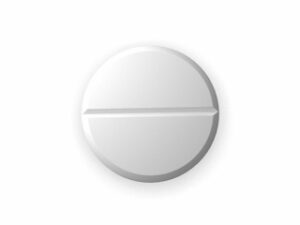
| Common formulation | Tablets (availability may vary by market/supplier) |
| Therapeutic class | Antifibrinolytic (reduces clot breakdown) |
| Typical route | Oral (by mouth) |
How Cyklokapron works (mechanism of action)
After a blood clot forms, the body naturally breaks it down (a process called fibrinolysis). Tranexamic acid helps slow this breakdown. It does so by blocking the action of plasminogen and plasmin, key proteins involved in clot dissolution. With less clot breakdown, bleeding can be reduced or controlled.
In heavy menstrual bleeding, this clot-stabilising effect can reduce the amount of menstrual blood loss. In other settings, it may help manage bleeding when fibrinolysis contributes to the problem (as determined by your clinician).
Pharmacokinetics (what the body does with the medicine)
Pharmacokinetics describes how the medicine is absorbed, distributed, metabolised and eliminated. Tranexamic acid generally has predictable behaviour when taken by mouth.
- Absorption: Absorbed after oral dosing; overall exposure increases with dose.
- Distribution: It circulates in the blood and can reach relevant tissues involved in bleeding.
- Metabolism: It is not extensively metabolised in the body.
- Elimination: Primarily excreted by the kidneys. This is why kidney function matters for safe dosing.
- Onset: Clinical benefit is typically seen within the days of treatment, depending on the condition being treated.
If you have reduced kidney function, your healthcare professional may adjust the dose to reduce the risk of side effects.
Typical uses (indications)
Cyklokapron is used for conditions where reducing excessive bleeding is beneficial. The exact indication and regimen depend on diagnosis and clinical judgement.
Common indication in Australia
- Heavy menstrual bleeding (menorrhagia): Tranexamic acid can reduce menstrual blood loss in people who experience heavy periods.
Other uses
Tranexamic acid may also be considered for certain bleeding situations, depending on specialist advice and local protocols. Examples may include bleeding associated with fibrinolysis in specific surgical or medical contexts.
Your prescriber/pharmacist will determine whether tranexamic acid is appropriate for you and explain the expected benefits and limitations.
Dosing – general guidance
Always follow the dosing instructions provided with your medicine. Doses may differ by indication (e.g., heavy menstrual bleeding), age, and kidney function.
Heavy menstrual bleeding (common patient scenario)
Many regimens for heavy menstrual bleeding involve taking tranexamic acid only during the days of heavy bleeding or at the start of menstrual bleeding, for a limited number of days per cycle, depending on local guidance and your clinician’s instructions.
- Timing within the day: Often taken in divided doses (e.g., multiple times daily).
- Duration: Typically limited to the days with heavy flow (commonly up to several days per cycle, as advised).
If you’re unsure how your tablet schedule works (for example, whether to start on day 1 of bleeding or only once bleeding becomes heavy), ask your pharmacist.
Renal impairment
Because tranexamic acid is cleared via the kidneys, dosing may need adjustment if you have kidney impairment. Do not self-adjust your dose—seek advice.
Timing and practical use tips
When to start
- Heavy menstrual bleeding: Many people start tranexamic acid at the beginning of menstruation or when bleeding becomes heavy, based on the instructions you were given.
- Other bleeding indications: Start time depends on the cause and plan made with your clinician.
How to take
- Swallow tablets with water.
- Try to take doses at similar times each day.
- Follow the exact number of tablets and daily schedule provided.
If you miss a dose
If you miss a dose, take it when you remember unless it’s close to your next dose. Avoid taking double doses. If you’re uncertain, ask your pharmacist for advice based on your regimen.
Monitoring your response
For heavy menstrual bleeding, you may notice:
- Reduced volume of bleeding
- Less flooding or “leakage”
- Potential improvement in symptoms linked to heavy flow (for example, fatigue due to reduced blood loss)
If bleeding remains very heavy, lasts longer than expected, or you develop symptoms such as dizziness or breathlessness, seek medical advice promptly.
Food interactions
Food may affect how quickly a medicine is absorbed, but tranexamic acid is generally taken with meals or without depending on your tolerance and the instructions provided.
- Taking with food: Can help if the medicine causes mild stomach discomfort.
- Fasting: Some people tolerate it better with food; others prefer to take it on an empty stomach—follow your pharmacist’s advice.
If you experience nausea, stomach upset, or reflux, ask whether taking with food is appropriate for your specific regimen.
Alcohol interactions
There is no universal “absolute” rule that tranexamic acid cannot be taken with alcohol. However, alcohol can:
- Worsen side effects such as dizziness or nausea in some people
- Make it harder to track bleeding and symptoms during heavy periods
For best safety, limit alcohol while you’re taking Cyklokapron, and seek advice if you have a medical condition affecting bleeding, clotting, or your liver/kidneys.
Medicine interactions (important)
Tranexamic acid can interact with other medicines, mainly those affecting clotting and fibrinolysis. Always provide your pharmacist or prescriber with a full list of your medicines, including over-the-counter items and supplements.
Medicines commonly relevant to bleeding/clotting interactions
- Hormonal contraceptives (especially estrogen-containing): Estrogen can increase clotting risk. Tranexamic acid helps reduce bleeding but does not replace the need to assess individual clot risk.
- Other medicines that affect clotting or fibrinolysis: Combining antifibrinolytics with other clot-related therapies may increase risks. Your clinician should advise.
- Anticoagulants (“blood thinners”): The interaction depends on why each medicine is used. Some combinations require special caution and monitoring.
Kidney-related interactions
Since tranexamic acid is removed by the kidneys, medicines that affect kidney function may be relevant. Your pharmacist will consider these factors when checking suitability.
When to seek urgent advice
Stop and seek urgent medical care if you develop symptoms that could indicate a clot, such as:
- Sudden shortness of breath
- Chest pain
- One-sided leg swelling or pain
- Sudden weakness or numbness on one side of the body, trouble speaking
- Sudden severe headache or vision changes
Safety profile – who should be cautious
Cyklokapron is generally well-tolerated when used appropriately, but like all medicines it can cause side effects. Some people require extra caution due to personal risk factors.
Common side effects
- Nausea
- Diarrhoea or stomach discomfort
- Headache
- Dizziness
- Fatigue
Serious side effects (seek medical help urgently)
Serious reactions are uncommon but may occur. Get urgent medical help if you experience:
- Signs of blood clots (as listed in the interactions section)
- Severe allergic reaction (swelling of face/lips, difficulty breathing, widespread rash)
- Visual disturbances or severe neurological symptoms
Caution or avoid in certain circumstances
Tranexamic acid may not be suitable for everyone. Tell your healthcare professional if you have any of the following:
- A history of thromboembolism (blood clot in the past)
- Active intravascular clotting or certain clotting disorders
- Known bleeding from the upper urinary tract (can require specialist management)
- Kidney impairment (dose adjustment may be needed)
- Seizure history or conditions affecting brain excitability (your clinician will assess suitability)
- Breastfeeding or pregnancy (risk/benefit assessment is required)
This is not a complete list. Always check with a pharmacist if you are unsure.
Practical use tips for best results
- Know your pattern: For heavy menstrual bleeding, tracking cycle days and flow intensity can help you start on the most effective days.
- Use absorbent products strategically: If flow is heavy, consider products designed for heavy bleeding until you see the medicine’s effect.
- Stay hydrated: Adequate fluids support overall comfort and wellbeing.
- Iron levels matter: If you have heavy periods, you may develop iron deficiency. Ask your doctor about checking full blood count and iron studies.
- Review contraception/clot risk: If you use estrogen-containing contraception, discuss your overall clot risk profile with a clinician.
- Don’t prolong use without advice: Use for the duration recommended for your condition and reassess if bleeding changes.
Alternative options for heavy menstrual bleeding
If tranexamic acid isn’t suitable or doesn’t work well enough, there may be other treatment options. Options depend on the cause of heavy bleeding and individual preferences.
Non-surgical options
- Hormonal treatments: Such as progestin-only options or combined hormonal therapies (choice depends on clot risk and suitability).
- Intrauterine progestogen: The levonorgestrel-releasing intrauterine system can significantly reduce menstrual blood loss.
- NSAIDs (e.g., ibuprofen/naproxen): Some people benefit from NSAIDs taken during heavy flow; they can reduce bleeding in some cases.
- Iron supplementation: Helps correct or prevent iron deficiency; not a replacement for bleeding control but supports overall health.
Further assessment
If heavy bleeding is persistent, worsening, or associated with pelvic pain, irregular bleeding, or signs of anaemia, additional evaluation may be needed (for example, checking for fibroids, polyps, or other causes).
Market and legal context in Australia
In Australia, medicines are regulated under the Therapeutic Goods Administration (TGA). Product availability, formulation, pack size, and labelling can vary across brands and distributors. Pharmacy supply may be subject to local regulations and dispensing practices.
For patient safety, Australian medicine information resources typically include approved product details and consumer medicine information (CMI) documents. Always rely on the medicine’s packaging and the information provided by a pharmacist.
Note: Requirements around how medicines are supplied (for example, whether they are prescription-only or available via other pathways) can change over time. Your pharmacist or the online pharmacy listing will confirm what applies at the time of purchase.
Recent guidance and clinical considerations
Treatment choices for heavy menstrual bleeding commonly consider:
- Severity and impact: How heavy bleeding is and how it affects daily life.
- Cause assessment: Evaluation for underlying conditions such as fibroids or other uterine factors.
- Individual risk profile: Especially clot risk, anaemia risk, and comorbidities.
- Shared decision-making: Balancing benefits, side effects, and convenience.
Tranexamic acid is often used as a non-hormonal option for suitable patients, particularly when rapid and cycle-based control is desired. Clinicians may also recommend monitoring blood counts and iron status if heavy bleeding is frequent or prolonged.
Delivery and availability (Australia)
Availability of Cyklokapron products can vary by supplier and stock levels. When ordering online in Australia, delivery typically depends on:
- Dispensing/processing time: Orders may take time to prepare before dispatch.
- Delivery address: Metro vs regional/remote locations.
- Courier service: Delivery timeframes may vary by carrier and season.
- Stock status: If out of stock, delivery may be delayed or alternative arrangements offered.
When you place an order, check the estimated delivery timeframe shown on the product page and at checkout. If you need the medicine urgently for an upcoming cycle or procedure, consider placing the order early and contacting customer support for stock confirmation.
Storage: Keep tablets according to the label instructions (typically in a cool, dry place away from direct heat and moisture). Keep out of reach of children.
FAQ about Cyklokapron (Tranexamic acid)
1) What is Cyklokapron used for?
Cyklokapron contains tranexamic acid, which helps reduce excessive bleeding. A common use is heavy menstrual bleeding, though it may be used for other bleeding-related conditions depending on clinical assessment.
2) How quickly does it work?
Many people notice reduced bleeding within the days of taking tranexamic acid. The exact timeline varies by individual and the cause of bleeding.
3) Should I take it with food?
You can usually take tranexamic acid with or without food. Taking it with food may help if you experience stomach discomfort. Follow the instructions given to you by your pharmacist.
4) Can I drink alcohol while using Cyklokapron?
Alcohol is not universally contraindicated, but it may worsen side effects and make symptoms harder to track. Consider keeping alcohol minimal and seek advice if you have concerns or additional risk factors.
5) Are there medicines I should avoid?
Some combinations require extra caution, particularly medicines that affect clotting, fibrinolysis, or kidney function. Tell your pharmacist about all medicines and supplements you take.
6) What if I’m on hormonal contraception?
If you use estrogen-containing contraception, it can influence clot risk. Tranexamic acid is sometimes used in people who are otherwise suitable, but your clinician/pharmacist should assess your individual risk profile.
7) Is Cyklokapron safe if I have kidney problems?
Because tranexamic acid is cleared by the kidneys, kidney impairment may require dose adjustment. Talk to your pharmacist or doctor if you have reduced kidney function.
8) Can I take it during pregnancy or breastfeeding?
Use in pregnancy or breastfeeding should be based on a risk–benefit assessment. Speak with a healthcare professional for personalised advice.
9) What side effects should I watch for?
Common side effects include nausea, diarrhoea, headache, dizziness and fatigue. Seek urgent medical help for signs of blood clots, severe allergic reactions, or significant neurological/visual symptoms.
10) Are there alternatives if it doesn’t help?
Yes. Alternatives may include hormonal options, intrauterine progestogen, NSAIDs (for some people), and iron supplementation. The best choice depends on your bleeding cause, preferences and risk factors.
Important reminder
If your bleeding is unusually heavy, lasts longer than expected, or you develop symptoms of anaemia (such as marked fatigue, dizziness, paleness or breathlessness), seek medical advice. Early assessment can help identify the cause and ensure the safest, most effective treatment.