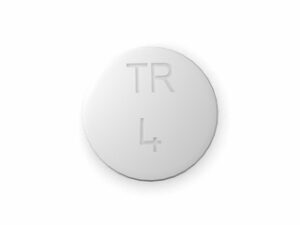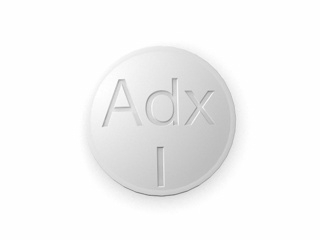


Arimidex (Anastrozole) – Patient Information (Australia)
Arimidex contains anastrozole, a medicine used to treat certain types of hormone-dependent breast cancer in women after menopause and, in some situations, in adults with specific clinical needs. This page explains how Arimidex works, how it’s usually taken, common precautions, and practical tips to help you use it safely and confidently.
Note: Medicines affect people differently. Always follow the directions given by your healthcare professional and refer to the Consumer Medicine Information (CMI) for detailed product advice.
Basic product information
| Product | Active ingredient | Typical strength | Medicinal form | ATC/Drug class |
|---|---|---|---|---|
| Arimidex | Anastrozole | 1 mg | Oral tablet | Aromatase inhibitor (hormone therapy) |
- What it’s for: Hormone receptor–positive breast cancer and related situations where lowering oestrogen is beneficial.
- How it works: Reduces oestrogen production in the body by blocking the aromatase enzyme.
- How it’s taken: Commonly once daily as an oral tablet.
How Arimidex works (mechanism of action)
After menopause, much of the body’s oestrogen is produced from androgen hormones in tissues such as fat and muscle. This conversion is catalysed by an enzyme called aromatase.
Anastrozole is a non-steroidal aromatase inhibitor. By selectively blocking aromatase, it:
- Reduces oestrogen (especially oestradiol) levels in the body.
- Deprives certain oestrogen-dependent breast cancer cells of a growth signal.
- Helps reduce the risk of disease recurrence in appropriate patients.
Because Arimidex does not directly “stop hormones” in the ovaries (and is used typically after menopause), it’s particularly suited to settings where oestrogen is made primarily through peripheral aromatase activity.
Pharmacokinetics (how the body absorbs and processes it)
Pharmacokinetics describes what the body does to the medicine—how quickly it’s absorbed, broken down, and eliminated.
- Absorption: Anastrozole is absorbed after oral dosing. Peak blood levels are typically reached within hours of taking a tablet.
- Steady state: Blood levels become relatively steady after regular daily dosing.
- Metabolism: The drug is metabolised primarily in the liver by processes including cytochrome P450 pathways.
- Elimination: Metabolites are eliminated mainly through the kidneys (urine) and to a lesser extent through other routes.
- Half-life (general concept): Anastrozole has an elimination half-life that supports once-daily dosing in many patients.
If you have liver or kidney impairment, your clinician may adjust monitoring. Always discuss your full medical history and current medicines.
Typical uses and indications
Arimidex is used in breast cancer treatment strategies where lowering oestrogen is expected to help. Indications can vary based on clinical stage, menopausal status, hormone receptor status, prior therapies, and treatment goals.
Common indications in clinical practice include:
- Early breast cancer: Adjuvant (after surgery) hormone therapy to reduce recurrence risk in appropriate patients.
- Advanced or metastatic breast cancer: Treatment of hormone receptor–positive disease that has progressed.
- When other endocrine therapies are unsuitable: In some cases, an aromatase inhibitor may be preferred over alternatives depending on your situation.
Important: These uses depend on your individual cancer characteristics (for example, oestrogen receptor status) and your menopausal status. Your healthcare team will confirm suitability.
Dosing – typical schedule
The most common dosing regimens for adults are:
- 1 mg once daily by mouth (typical adult dose in standard indications).
How to take it:
- Swallow the tablet with water.
- Try to take it at about the same time each day.
- Do not double up if you miss a dose.
Missed dose (general guidance):
- If you realise you missed a dose, take it as soon as you remember unless it’s close to the time of the next dose.
- If it’s close to your next dose, skip the missed dose and continue your regular schedule.
Because treatment outcomes can depend on consistent daily dosing, it’s helpful to use reminders (phone alarm, calendar, or blister pack routine).
Timing – best time to take Arimidex
Arimidex can generally be taken once daily at a time that suits your routine.
- Morning vs evening: Choose the time you’re most likely to remember.
- With or without food: There’s no strict food requirement for most patients (see “Food interactions” below).
- Consistency matters: Keeping a steady schedule helps maintain stable drug levels.
If you experience side effects at a particular time (for example, night-time joint aches affecting sleep), you may discuss whether shifting the dosing time is appropriate with your healthcare professional.
Food interactions
General food interaction: Anastrozole can typically be taken with or without food. This makes it easier to fit into everyday life.
While specific dietary restrictions are not usually required, some practical considerations include:
- Hydration and meals: Taking your tablet with a glass of water and a normal meal/snack can help if you find it slightly irritating to take on an empty stomach.
- Grapefruit and citrus: There is no specific “grapefruit ban” commonly required for anastrozole, but your pharmacist can check any supplements or herb products you take.
- Supplements: If you use vitamin D, calcium, herbal supplements, or “natural” products, discuss them—some can affect medication handling or cause unwanted side effects.
Alcohol interactions
Moderate alcohol intake may not cause a direct interaction for every person, but alcohol can affect how you feel and may worsen some common side effects such as:
- Fatigue or reduced energy
- Sleep disruption
- Hot flushes (in some individuals)
- Stomach upset
- Bone health concerns over the long term (heavy use)
Practical approach:
- If you choose to drink alcohol, consider keeping it moderate.
- Avoid excessive drinking and speak with your healthcare professional if you have liver disease, ongoing heavy alcohol use, or experience side effects.
Always keep your treating team informed about alcohol consumption, as it may be relevant to overall risk management.
Medicine interactions (including common categories)
Some medicines can influence how anastrozole is metabolised, or can increase side effects, including effects on the liver or bone health.
Important: This is not an exhaustive list. Tell your pharmacist/doctor about all medicines and supplements you take, including over-the-counter products.
Key interaction considerations
- Hormonal therapies: Avoid using other hormone-containing products that could interfere with the intended endocrine effect unless specifically directed.
- Medicines affecting liver enzymes: Drugs that induce or inhibit certain metabolic pathways may alter anastrozole levels.
- Anticoagulants: If you use blood thinners, your clinician may monitor more closely for bleeding risk or changes in effect (your pharmacist can advise).
- Osteoporosis/bone protection medicines: Arimidex can contribute to bone density loss; clinicians sometimes prescribe calcium/vitamin D and/or bone-protective therapies. Coordinate these carefully.
What to do
- Provide a complete medication list to your healthcare professional.
- Check before starting any new prescription, over-the-counter product, or supplement.
- Report unusual symptoms promptly (e.g., severe nausea, yellowing skin/eyes, unusual bruising).
Safety profile and side effects
Like all medicines, Arimidex can cause side effects. Many people tolerate it well, and side effects are often manageable. Still, it’s important to know what to expect and when to seek urgent help.
Common side effects
- Hot flushes
- Joint pain or stiffness (sometimes referred to as “aromatase inhibitor–associated arthralgia”)
- Headache
- Fatigue
- Muscle pain
- Vaginal dryness or discomfort
- Nausea (occasionally)
- Changes in mood for some people
Bone health and osteoporosis risk
Because Arimidex lowers oestrogen, it may contribute to bone density loss over time. Your healthcare team may:
- Measure bone density (e.g., DEXA scan) before and during treatment.
- Recommend calcium and vitamin D intake.
- Prescribe bone-protective medicines when appropriate.
- Encourage weight-bearing and resistance exercises if safe for you.
Less common but important risks
- Liver-related issues (uncommon): seek medical advice if you notice yellowing of the skin/eyes, dark urine, severe fatigue, or significant abdominal pain.
- Allergic reactions (rare): swelling of face/lips, rash with breathing difficulty requires urgent medical care.
- Cardiovascular risk factors: ensure you manage blood pressure, cholesterol, diabetes, and smoking cessation as advised.
When to seek urgent medical help
- Severe allergic reaction signs (swelling, trouble breathing)
- Signs of stroke or heart attack (e.g., chest pain, sudden weakness, trouble speaking)
- Severe or persistent vomiting, fainting, or severe abdominal pain
- Yellow skin/eyes or dark urine (possible liver problem)
Practical use tips (to improve comfort and adherence)
Many side effects can be reduced with supportive measures. These tips may help you stay comfortable while on treatment:
Managing joint and muscle discomfort
- Gentle daily movement (walking, stretching) can reduce stiffness.
- Apply heat for stiff joints and consider cold packs if joints feel inflamed.
- Ask your clinician about safe pain relief options if needed.
- Report severe pain—adjustments or supportive therapies may be possible.
Hot flushes and temperature changes
- Dress in layers and use a fan or cool room environment.
- Limit triggers such as spicy foods or very warm beverages if they worsen symptoms.
- Discuss additional strategies if hot flushes are frequent or disruptive.
Vaginal dryness and sexual wellbeing
- Use appropriate lubricants and moisturisers recommended by your pharmacist or clinician.
- Talk to your healthcare team—treatment and products are available and can improve comfort.
Supporting bone health
- Ensure adequate intake of calcium and vitamin D as advised.
- Do weight-bearing exercise and resistance training if safe for you.
- Avoid smoking and excessive alcohol.
- Attend scheduled bone density testing.
Adherence tips
- Use a daily reminder (phone alarm, pill box, or calendar event).
- Keep tablets in the original packaging and store them as directed on the label.
- If you travel, plan ahead to avoid missed doses.
Alternative options
Depending on your cancer type, stage, menopausal status, and past treatment, other endocrine therapies may be considered. Alternatives can include:
- Other aromatase inhibitors (for example, letrozole or exemestane—choice depends on clinical factors and tolerability).
- Selective oestrogen receptor modulators (SERMs) (for example, tamoxifen in some settings).
- Fulvestrant (a selective oestrogen receptor degrader) used in certain advanced disease scenarios.
- Ovarian suppression strategies in pre/peri-menopausal patients where appropriate.
Your oncology team will weigh benefits and side effects and tailor therapy to your situation. If Arimidex causes difficult side effects, do not stop abruptly without discussing options.
Market and legal context in Australia (overview)
In Australia, medicines like Arimidex are supplied under the country’s medicines regulatory and pharmacy framework. Supply is typically managed through licensed pharmacies and healthcare channels in line with Australian regulations.
- Regulatory oversight: Therapeutic Goods Administration (TGA) regulates medicines and provides information resources such as product labels and the CMI.
- Quality and sourcing: Australian-approved products are held to manufacturing quality and safety standards.
- Pharmacy supply: Pharmacies follow requirements for verification, dispensing, and patient counselling where relevant.
For the most accurate, up-to-date information on your specific product, check the package leaflet/CMI and confirm details with your pharmacist.
Recent guidance and monitoring considerations
Clinical practice evolves as new evidence emerges. In general, when using aromatase inhibitors such as anastrozole, clinicians often focus on:
- Bone monitoring: Baseline and follow-up assessment of bone health (DEXA scans) and consideration of prevention/treatment strategies for osteoporosis.
- Cardiovascular risk factors: Ongoing management of cholesterol, blood pressure, diabetes, and smoking cessation.
- Symptom management: Proactive management of arthralgia, hot flushes, and genitourinary symptoms to support adherence and quality of life.
- Medicines review: Regular review of all medicines and supplements to reduce interaction risk.
Your healthcare professional may also consider treatment duration, sequence of therapies, and follow-up intervals depending on your diagnosis and response.
Delivery and availability in Australia
Availability can vary by pharmacy and supply chain. Many online pharmacies aim to keep commonly used medicines in stock or can source them through approved distribution networks.
- Stock status: Products may be listed as in stock or subject to availability.
- Dispatch timelines: Delivery timeframes depend on your location and order processing time.
- Tracking: Many pharmacies provide tracking updates after dispatch.
- Temperature/storage: Follow the storage instructions on the label to maintain product quality.
If you need help with ordering, confirming the correct strength/form, or estimating delivery time, contact customer support using the details on the website.
FAQ
1. What is Arimidex used for?
Arimidex (anastrozole) is used as hormone therapy for certain breast cancers where oestrogen plays a role. Your doctor determines the most appropriate indication based on your tumour and menopausal status.
2. How long does it take to start working?
Arimidex reduces oestrogen levels relatively quickly after dosing. How soon symptoms change can vary. Cancer-related outcomes depend on longer-term treatment and follow-up.
3. Can I take Arimidex with food?
Yes, it can generally be taken with or without food. Many people find it easier to take with water and a meal if they experience any stomach sensitivity.
4. What should I do if I miss a dose?
Take it as soon as you remember unless it’s close to your next dose. If it’s close, skip the missed dose and continue your regular schedule. Do not double up.
5. Does Arimidex cause weight gain?
Weight changes can happen with many cancer treatments and due to lifestyle changes, but weight gain is not always directly caused by anastrozole. If you notice rapid or concerning changes, discuss with your healthcare team.
6. Will Arimidex affect bone density?
It can. Lower oestrogen levels may increase the risk of bone density loss. Bone monitoring and bone-protective strategies are commonly considered during treatment.
7. Are hot flushes and joint pain normal?
Hot flushes and joint/muscle discomfort are among the more common side effects. If symptoms are severe, persistent, or worsening, speak with your clinician for management options.
8. Can I drink alcohol while taking Arimidex?
Moderate alcohol intake may be acceptable for some people, but alcohol can worsen fatigue, sleep, and hot flushes. Avoid heavy drinking, and speak with your healthcare professional—especially if you have liver issues.
9. What interactions should I watch for?
Inform your pharmacist/doctor about all medicines and supplements. Interactions can involve hormonal therapies, medicines affecting liver metabolism, and those related to clotting or other chronic conditions.
10. Are there alternatives if Arimidex isn’t suitable?
Yes. Depending on your situation, other endocrine options may be considered (including other aromatase inhibitors or different classes of hormone therapy). Discuss benefits and side effects with your oncology team.
Remember: This information is intended to help you understand Arimidex (anastrozole). It does not replace personalised medical advice. If you’re unsure about how to take your medicine or you develop troubling symptoms, contact your healthcare professional or pharmacist promptly.