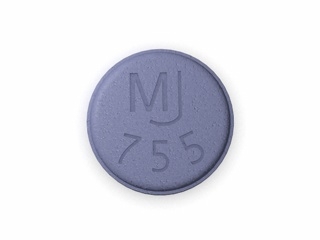


Estrace (Estradiol) – Patient Guide (Australia)
Estrace contains estradiol, a form of the hormone oestrogen. Oestrogen medicines are used to relieve symptoms caused by low oestrogen levels, such as around the menopause, and in specific hormone-related conditions under clinical guidance.
This information is written for patients in Australia and aims to be clear and practical. Always follow the directions provided by your healthcare professional and the medicine label.
Key product information
| Feature | What it means for you |
|---|---|
| Active ingredient | Estradiol (oestrogen hormone) |
| Common use | Hormone replacement therapy (HRT) and other oestrogen needs |
| How it works | Replaces oestrogen and helps relieve symptoms |
| Routes | Available forms may vary by brand/market; check your exact product for strength and route |
| Major safety considerations | Oestrogen therapy can increase risk of blood clots and other conditions in certain people |
| Typical start | Usually started at the lowest effective dose for the shortest duration needed |
What Estrace is and how it works
Estradiol: your body’s natural oestrogen
Estradiol is the main oestrogen produced by the ovaries during the reproductive years. As menopause approaches, ovarian oestrogen production falls, leading to symptoms such as hot flushes, night sweats, vaginal dryness, and sleep disturbance.
Mechanism of action (how it works in the body)
Estrace provides estradiol to help restore oestrogen levels in tissues that depend on it. It works by binding to oestrogen receptors in the body, affecting gene expression and regulating processes such as:
- Thermoregulation – helps reduce frequency and severity of hot flushes and night sweats
- Genitourinary tissue health – can improve vaginal dryness, irritation and discomfort
- Bone metabolism – slows bone loss, helping protect against osteoporosis in some patients
- Endometrial effects – oestrogen can stimulate the uterine lining; if you still have a uterus, you may need a progestogen to reduce endometrial hyperplasia risk
Important: Whether you need a combination with a progestogen depends on your personal history, including whether you have had a hysterectomy.
Pharmacokinetics (how the body handles estradiol)
Pharmacokinetics describe how a drug is absorbed, distributed, metabolised, and excreted. Exact values can vary by formulation, dose, and route. In general:
- Absorption: Estradiol is absorbed into the bloodstream depending on the product type.
- Distribution: Estradiol circulates in blood, largely bound to plasma proteins.
- Metabolism: Estradiol is metabolised primarily in the liver by enzymatic pathways.
- Excretion: Metabolites are eliminated mainly via urine and bile.
Many patients notice symptom relief within days to weeks, but some benefits (such as bone) take longer.
Typical use in Australia
Common indications
Estrace is used for conditions where oestrogen is needed, including:
- Menopause symptoms (e.g., hot flushes, night sweats)
- Prevention of bone loss in appropriate patients at risk of osteoporosis
- Hypoestrogenism due to certain medical causes (for example, premature ovarian insufficiency) where oestrogen replacement may be considered
- Genitourinary symptoms of menopause (e.g., vaginal dryness), depending on the formulation and individual situation
The most suitable option depends on your symptoms, age, time since menopause, personal and family medical history, and your risk factors.
When to consider treatment
- Often started when menopausal symptoms significantly affect quality of life.
- For some patients, it may be appropriate to start earlier rather than later, but risk factors must be assessed.
- For bone protection, other therapies may be preferred depending on fracture risk and contraindications.
Timing and how to take Estrace
Always follow your product label instructions. Estrace products may differ in strength and how often they are taken. The guidance below is general.
- Consistency matters: Take it at the same time each day (or as directed) to help maintain steady levels.
- Starting: Your doctor may begin with the lowest effective dose.
- Adjustments: Dose or schedule may be adjusted based on symptom response and side effects.
- Missed dose: Follow your product advice or ask a pharmacist. Do not take extra doses to “catch up” unless told to do so.
Example timing: If taken once daily, choose a time that fits your routine (for example, morning or evening) and stick with it.
Food interactions
For many oestrogen products, food does not significantly change overall effectiveness, but individual formulations can differ. In general:
- Take with or without food if your label allows.
- If your product is taken on an empty stomach or has specific instructions, follow the label.
If you have reflux, nausea, or stomach sensitivity, taking the dose with a small meal may improve comfort—provided this matches the product directions.
Alcohol and medicine interactions
Alcohol
Moderate alcohol intake is not usually an issue for many patients taking estradiol. However:
- Alcohol can worsen sleep quality and hot flushes in some people.
- Regular heavy alcohol use can increase liver strain, which may matter because estradiol is metabolised in the liver.
- If you notice symptoms worsen after alcohol, consider reducing intake.
Other medicines that may interact
Some medicines can affect estradiol levels by changing liver enzymes or protein binding. This may reduce effectiveness or increase risk of side effects.
Common interaction categories include:
- Enzyme inducers (may lower estradiol levels): examples include some anticonvulsants and certain antibiotics/antivirals.
- Enzyme inhibitors (may raise estradiol levels): some antifungals and other medicines.
- Medicines for seizures, tuberculosis, HIV, or certain herbal products (including St John’s wort) can be important.
- Some blood-thinning medicines: oestrogen can influence clotting balance, and monitoring may be needed depending on the situation.
Always tell your pharmacist or doctor about all medicines you take, including over-the-counter products and herbal supplements.
Dosing (general information)
Dosing varies by formulation, your age, the reason you are taking estradiol, and your risk profile. The aim is the lowest effective dose for the shortest duration needed to control symptoms.
- Menopausal symptoms: dosing is individualised based on response and side effects.
- Genitourinary symptoms: some patients benefit from local treatments rather than systemic therapy; your clinician can guide this.
- Women with an intact uterus: oestrogen often requires a progestogen regimen to protect the endometrium.
For the exact dose for your product, check the package and follow the schedule provided. If you’re unsure, ask a pharmacist.
Safety profile and who should be cautious
Common side effects
Side effects can occur, especially when starting or changing the dose. Possible effects include:
- Nausea or bloating
- Breast tenderness
- Headache
- Mood changes
- Vaginal bleeding or spotting (more likely early in treatment)
- Leg swelling or fluid retention in some people
Serious risks (seek urgent care when appropriate)
Some risks are associated with systemic oestrogen therapy. Seek urgent medical advice if you experience:
- Signs of a blood clot: sudden leg pain/swelling, chest pain, sudden shortness of breath, coughing blood, or sudden neurological symptoms
- Stroke symptoms: face drooping, weakness on one side, trouble speaking
- Severe headache with unusual features, vision changes
- Unusual vaginal bleeding, especially if it continues, is heavy, or appears after a period of no bleeding
- Jaundice (yellow skin/eyes), dark urine, or severe itching
People who need extra assessment
You may need careful evaluation before using estradiol if you have (or have had) any of the following:
- History of blood clots or stroke
- Known clotting disorders
- Breast cancer or a history of oestrogen-dependent cancer
- Unexplained vaginal bleeding
- Certain liver diseases
- High risk of cardiovascular disease (your clinician will consider your overall risk profile)
- Risk factors for endometrial disease
If you still have your uterus, appropriate progestogen protection is important to reduce endometrial hyperplasia risk.
Practical use tips (to get the best results)
- Track symptoms: Note hot flushes, sleep quality, and any vaginal symptoms. This helps in dose adjustments.
- Monitor bleeding: Light spotting can occur early; persistent or heavy bleeding should be assessed.
- Use contraception when needed: Oestrogen therapy does not provide contraception. If pregnancy is possible (generally relevant for younger patients), discuss contraception.
- Bone health supports: Combine HRT with adequate calcium/vitamin D (if appropriate), weight-bearing exercise, and lifestyle measures.
- Sexual comfort: If dryness persists, local moisturisers or lubricants may help alongside therapy.
- Regular check-ups: Follow recommended breast and cervical screening schedules for your age and risk factors.
Alternative options to consider
Treatment for menopausal symptoms can be tailored. Options depend on the specific symptoms you have and your risk factors. Alternatives may include:
Non-hormonal approaches
- Lifestyle measures: temperature control, dressing in layers, reducing triggers (spicy foods, hot drinks), regular exercise.
- Non-hormonal medications for hot flushes (your clinician can advise which are suitable).
- Vaginal moisturisers/lubricants for dryness and discomfort.
Other hormone options
- Local vaginal oestrogen products for genitourinary symptoms (often with lower systemic exposure than oral/systemic therapy).
- Different oestrogen preparations (routes such as transdermal may be considered in some patients).
- Combination regimens (oestrogen with a progestogen when the uterus is present).
Discuss with your healthcare professional to find the most appropriate option for you.
Market and legal context in Australia
In Australia, medicines containing hormones such as estradiol are regulated under the national medicines framework. Access may depend on the specific product and its classification under the Australian regulatory system.
- Estrace is an established oestrogen product and may be available through pharmacy supply channels depending on stock and formulation.
- For online pharmacies, availability can vary by state and by medicine scheduling and dispensing requirements.
- Always ensure you purchase from reputable, compliant suppliers to receive genuine product and accurate information.
Recent guidance (general themes): Australian and international clinical guidance commonly emphasises: using the lowest effective dose, reassessing treatment periodically, and carefully evaluating cardiovascular and clotting risk factors—especially when starting or continuing systemic hormone therapy.
Delivery and availability (online pharmacy)
Availability can vary because stocks may differ between manufacturers and distributors. When you order online:
- Processing: Orders are typically processed on business days.
- Shipping: Delivery time depends on your location and courier service.
- Cold-chain: Some medicines require special handling; check product-specific storage instructions.
- Packaging: Medicines should arrive in tamper-evident packaging with clear labelling.
If a product is temporarily unavailable, the pharmacy may offer an alternative equivalent option or advise when it can be supplied.
How to store Estrace
Storage instructions are provided on the medicine label or leaflet. In general:
- Store at the recommended temperature (often “below 25°C” or “store as directed”).
- Keep away from moisture and direct sunlight.
- Keep out of reach of children.
FAQ
1) How long does it take to work?
Many people notice improvement in hot flushes and night sweats within days to a few weeks. Other effects, such as improvement in vaginal comfort or bone-related benefits, can take longer. Your clinician will review your response after starting or changing therapy.
2) Will Estrace cause weight gain?
Some people worry about weight gain with oestrogen therapy. Weight changes vary: symptoms like improved sleep and reduced stress can change appetite or activity. If you experience ongoing weight gain, bloating, or swelling, discuss it with your healthcare professional.
3) Do I need a progestogen?
If you have a uterus, oestrogen can stimulate the endometrium. Many patients require a progestogen regimen to help reduce the risk of endometrial overgrowth. If you’ve had a hysterectomy, this may not be necessary. Your clinician will confirm what is appropriate for you.
4) What should I do if I miss a dose?
Follow the advice on your product information or ask a pharmacist. In many cases, you should take the dose as soon as you remember, unless it’s close to the time of your next dose. Avoid doubling unless instructed.
5) Can I drink alcohol while taking Estrace?
Moderate alcohol is usually compatible for many people, but alcohol may worsen sleep and hot flushes in some individuals. Heavy alcohol intake can be harder on the liver, which is relevant because estradiol is metabolised in the liver.
6) Are there interactions with herbal products?
Yes. Some herbal products can affect liver enzymes or hormone levels. One example often discussed is St John’s wort. Tell your pharmacist about any herbal supplements you use.
7) What symptoms mean I should seek urgent help?
Seek urgent medical advice for signs of blood clots (sudden chest pain, shortness of breath, leg swelling/pain), stroke symptoms (face drooping, weakness, trouble speaking), severe sudden headache, or heavy/unusual vaginal bleeding.
8) Can Estrace be used for everyone experiencing menopause?
Not necessarily. Suitability depends on your medical history, risk factors (such as clot or stroke risk), the severity of symptoms, age, and time since menopause. Your clinician can help weigh benefits and risks.
9) What are my ongoing monitoring needs?
Monitoring typically includes symptom review, assessment of side effects, and follow-up on any bleeding. Regular health checks and cancer screening should continue according to Australian guidelines for your age and risk.
10) Are there alternatives if I can’t take systemic oestrogen?
Yes. Alternatives include local vaginal treatments for genitourinary symptoms, non-hormonal medications for hot flushes, and lifestyle measures. Your clinician can recommend options tailored to your symptoms and risk profile.
Summary
Estrace (estradiol) is an oestrogen medicine used to relieve menopausal symptoms and address conditions related to low oestrogen. It works by replacing oestrogen activity in the body, supporting thermoregulation, genitourinary tissue health, and bone protection—while also requiring careful consideration of uterine protection when a uterus is present.
If you have questions about interactions, suitability, or how to use Estrace safely, speak with a pharmacist or clinician. If you are experiencing symptoms that worry you—especially unusual bleeding, severe headache, or clot-like symptoms—seek medical advice promptly.