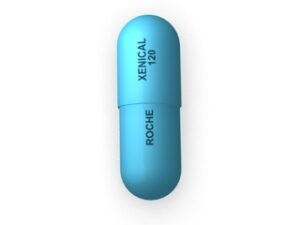
Orlistat (Weight-Loss Medicine) — Patient Guide for Australia
Orlistat is a medicine used to support weight loss by reducing the amount of dietary fat your body absorbs from food. It is available in Australia in different strengths and formulations (commonly over-the-counter or pharmacist-only, depending on the brand and product type). This guide explains how it works, how to take it, what to expect, and important safety information.
Always read the product label and follow any instructions provided by your pharmacist or doctor. Individual needs vary—especially if you have other medical conditions or take other medicines.
Quick facts
- Medicine name: Orlistat
- What it does: Helps reduce fat absorption from meals
- Typical use: Weight management in combination with diet and physical activity
- How it’s taken: With meals containing fat
- Common effects: Changes in bowel movements (e.g., oily or frequent stools)
- Availability (Australia): Depending on brand/strength, may be available through pharmacies and online medicine retailers
Basic product information
Orlistat is an intestinal lipase inhibitor. It works mainly in the gut (gastrointestinal tract), with very limited absorption into the bloodstream.
In Australia, brands and pack sizes may vary. Some products are designed for adults and are intended to be used alongside:
- A reduced-calorie diet
- Regular physical activity
- Long-term lifestyle changes
Key point: Orlistat is not a “fast fix.” It supports weight management over time—its effect depends on taking the medicine with the right meals.
How Orlistat works (mechanism of action)
Dietary fat is digested by enzymes called lipases (mainly in the small intestine). Orlistat blocks these enzymes, which prevents the breakdown of a portion of fat.
As a result, about a third of the fat you eat is not absorbed and instead passes through the digestive system and is excreted.
- Primary site: Small intestine
- Target: Lipases involved in fat digestion
- Outcome: Reduced fat absorption and a modest calorie reduction
Because it acts locally in the gut, Orlistat mainly works when taken with meals—especially meals that contain fat.
Pharmacokinetics (what the body does with Orlistat)
Absorption: Orlistat is absorbed only to a small extent. Most of the medicine remains in the gastrointestinal tract.
Distribution: Due to minimal absorption, systemic distribution is limited.
Metabolism: Orlistat is metabolised in the intestinal wall and possibly in the liver after any absorption.
Excretion: The majority of the dose is eliminated via the faeces. Any absorbed fraction is largely cleared over time.
Practical implication: Because systemic exposure is low, many patients experience fewer whole-body drug interactions compared with medicines that act throughout the body. Still, interactions can occur—especially in relation to fat-soluble vitamins.
Typical use in Australia
Orlistat is used to assist with weight loss and/or weight management in adults who are overweight or obese. It is intended to be used as part of a structured lifestyle approach.
It may be used when diet and exercise alone are not sufficient. Your pharmacist can help you choose a product based on your needs and the correct strength available.
Important: Results vary. Orlistat works best when your overall diet is sensible and your meals match the dosing approach.
Indications (what it’s for)
In general, orlistat products in Australia are indicated for:
- Weight management as an adjunct to a mildly calorie-restricted diet
- Reducing fat absorption to support gradual weight loss
- Helping limit weight regain for some people when maintained with lifestyle changes
Product-specific indications can differ by strength and brand. Always check the packaging or consumer medicine information provided with your product.
Dosing and timing
Orlistat dosing depends on the specific product strength. The most common OTC-style regimen is taken with each main meal that contains fat.
| Topic | Typical guidance (general) |
|---|---|
| When to take | With each main meal (breakfast, lunch, or dinner) that includes fat |
| If a meal is missed | Do not take an extra dose to “catch up” |
| If a meal contains no fat | Skip the dose for that meal |
| With or without food | Take during the meal or immediately after the meal for best results |
| How long to use | Continue as directed on the pack while adopting diet and activity changes |
Timing tips:
- Try to take Orlistat within the meal window (e.g., with the first bites or shortly after starting).
- If you eat later than usual, take it with that meal rather than earlier on an empty stomach.
- If you forget a dose, do not double up. Take the next dose with your next appropriate meal.
Food interactions and diet considerations
Orlistat works by reducing fat absorption. This means food choices directly influence both effectiveness and side effects.
How your meals affect results
- Lower-fat meals may lead to fewer gastrointestinal side effects (e.g., less oily stool).
- High-fat meals increase the amount of unabsorbed fat entering the bowel, which can increase digestive symptoms.
- Consistency matters: take Orlistat with the meals you expect to contain dietary fat.
What to aim for
A commonly recommended approach is a slightly reduced-calorie diet with balanced nutrition. Many people find it helpful to:
- Limit high-fat foods such as fried foods, creamy sauces, and processed snacks.
- Choose lean proteins, vegetables, fruit, whole grains, and healthy fats in appropriate portions.
- Stay hydrated, especially if bowel changes occur.
Note: Orlistat does not “block all fat.” Some fat will still be absorbed. Overly restrictive diets may harm wellbeing—aim for sustainable changes.
Alcohol and food interactions
Orlistat is not known for a direct “dangerous interaction” with alcohol in the way some other medicines can be. However, alcohol can affect weight management and your tolerance of gastrointestinal side effects.
- GI effects: Alcohol may worsen stomach discomfort, nausea, or diarrhoea in some people.
- Calorie impact: Alcohol contains calories and can undermine progress if it increases overall intake.
- Meal composition: Alcohol is often consumed with higher-fat meals or snack foods—this can increase the likelihood of bowel side effects.
If you choose to drink alcohol, consider keeping it moderate and avoid pairing it with high-fat meals. Stop and seek advice if you experience significant or persistent symptoms.
Interactions with other medicines
Many medicines can be taken with Orlistat, but there are key considerations—particularly related to vitamins and certain medications that require consistent absorption.
Fat-soluble vitamins (important)
Because Orlistat reduces fat absorption, it can also reduce the absorption of fat-soluble vitamins such as:
- Vitamin A
- Vitamin D
- Vitamin E
- Vitamin K
If you are using a multivitamin or vitamin supplements, you may need to separate them from Orlistat. Many product instructions recommend taking multivitamins containing fat-soluble vitamins at a different time of day (commonly at least a few hours apart) to improve absorption.
Tip: Check the label of your Orlistat product and your supplement for timing guidance.
Examples of medicines that may require caution
Interaction risk can vary depending on the exact medicine and your health profile. Tell your pharmacist if you take any of the following:
- Oral anticoagulants (blood thinners): monitor as advised because diet and vitamin K status can influence clotting balance
- Thyroid hormone (levothyroxine): absorption can be affected by gastrointestinal changes—follow separation advice if provided
- Antiepileptics (some): may require monitoring if you experience significant diarrhoea
- Immunosuppressants: absorption effects and diarrhoea can be relevant
- Other weight-loss or diet-related supplements: combined effects on the gut and nutrition should be considered
If you are unsure, ask your pharmacist or healthcare professional. This is especially important if you have a chronic condition or take multiple medicines.
Safety profile: what to expect and when to seek help
Orlistat is generally well tolerated, but its action in the intestine can cause predictable side effects—particularly when meals contain more fat than expected.
Common side effects
- Oily or fatty stools
- Increased bowel movements or urgency
- Gas with discharge
- Abdominal discomfort or bloating
- Greasy stool or spotting
These effects often improve when you reduce the fat content of your diet and take doses correctly with meals.
Less common but important concerns
- Severe or persistent diarrhoea
- Rectal pain or signs of irritation
- Allergic reactions (e.g., rash, swelling, breathing difficulty)
- Symptoms of nutrient deficiency with prolonged use (fat-soluble vitamin issues are possible)
When to seek medical advice urgently
- Allergic symptoms such as swelling of the face/lips or trouble breathing
- Severe dehydration from diarrhoea
- Persistent bleeding or black/tarry stools
If you experience persistent side effects, do not stop abruptly without speaking to a pharmacist—especially if you are taking other medicines that may be affected by nutrition changes.
Practical use tips (how to get the best results)
1) Match dosing to meals
- Take Orlistat with main meals that contain fat.
- Skip dosing for meals that contain no fat (if you truly have no fat in that meal).
2) Choose a lower-fat eating pattern
- A lower-fat diet typically improves tolerance.
- A balanced diet supports overall health and weight management.
3) Plan for bathroom changes
- Keep extra hygiene products on hand (e.g., wipes, spare underwear) especially during the first few weeks.
- Stay hydrated.
4) Consider vitamin supplementation
Many people benefit from a multivitamin that contains fat-soluble vitamins. Follow the product label regarding the timing separation from Orlistat.
5) Be consistent and track progress
- Weigh yourself periodically and monitor changes in measurements.
- Track eating habits to identify which meals trigger symptoms.
How to reduce side effects (fat and meal strategy)
Orlistat’s gastrointestinal effects can be reduced by changing meal composition. Consider:
- Reduce fried and creamy foods (these typically contain higher fat).
- Check portion sizes for cheese, processed meats, pastry, and snack foods.
- Balance meals with vegetables, lean proteins, and whole grains.
- Spread fats more evenly rather than consuming large fat doses in a single meal.
If you experience significant symptoms, you may need to adjust your diet and discuss further with your pharmacist.
Alternative options for weight management
Orlistat is one approach to weight management. Depending on availability and individual health factors, alternatives may include:
- Other weight-loss medicines (different mechanisms; suitability varies)
- Dietary strategies such as calorie reduction, higher protein intake, and increased fibre
- Physical activity programs including walking, resistance training, and structured exercise
- Structured weight management services (dietitians, behaviour programs, supervised programs)
- Supportive therapies for eating behaviour and motivation
If Orlistat is not suitable for you or side effects are difficult, ask your pharmacist for guidance on other options available in Australia.
Market and legal context in Australia (overview)
In Australia, medicines are regulated under the Therapeutic Goods Administration (TGA). Products containing orlistat are supplied according to their listed schedule and manufacturer instructions. Availability may differ by:
- Strength (e.g., different tablet strengths)
- Whether the product is pharmacist-only or available more widely
- Branding and pack size
Online pharmacies in Australia operate under applicable laws and supply requirements. A reputable online supplier should provide:
- Clear product information and consumer medicine information
- Correct identification of the medicine and strength
- Secure ordering and reliable delivery practices
- Professional support via pharmacists when required
Recent guidance (general direction): Weight-loss medicines are typically advised as part of a lifestyle program. Ongoing focus from health authorities and professional bodies remains on safe use, nutrition (including vitamin considerations for orlistat), and appropriate patient selection.
Delivery, availability, and what to expect when ordering
Availability of Orlistat products may vary depending on brand and stock levels. Many online pharmacies in Australia can deliver within typical standard postal timeframes, with some offering express options.
- Dispatch times: Commonly within 1–2 business days (varies by supplier)
- Delivery: Usually standard or express shipping depending on location
- Packaging: Discreet packaging is often used
- Storage: Store according to the label (typically below 30°C, keep dry, out of reach of children)
For best results, check the expiry date on the delivered product when you receive it.
Recent safety and effectiveness considerations
While individual product labels provide the formal instructions, ongoing clinical and consumer guidance emphasises:
- Correct meal timing (with meals containing fat)
- Vitamin supplementation where appropriate, with separation timing
- Dietary fat reduction to improve tolerability
- Monitoring overall health—especially if you have gastrointestinal conditions or other chronic diseases
- Stopping and seeking advice if severe symptoms occur
FAQ about Orlistat
1) Does Orlistat work immediately?
Orlistat begins working the same day by reducing fat absorption from the meal you take it with. Weight loss usually happens gradually over weeks as part of an overall calorie reduction plan.
2) Will I need to take it every day?
Orlistat is typically taken with main meals that contain fat. If you skip a meal or eat a meal with no fat, you would usually skip that dose. Follow your product label or pharmacist guidance.
3) What side effects are normal with Orlistat?
Common effects include oily or frequent stools, gas, and urgency—especially when meals are higher in fat. These often improve with lower-fat meals and correct dosing timing.
4) Can I take a multivitamin with Orlistat?
Many multivitamins contain fat-soluble vitamins. Because absorption may be reduced, you may need to separate vitamin dosing from Orlistat. Check the product label for timing instructions and ask your pharmacist if unsure.
5) What if I miss a dose?
Do not take extra tablets to make up for a missed dose. Simply take your next dose with the next appropriate meal.
6) Is Orlistat safe for long-term use?
Many people use orlistat for longer periods under guidance, but long-term use should be considered carefully with attention to nutrition, side effects, and overall health. If you have ongoing symptoms or concerns, speak with a pharmacist or healthcare professional.
7) Can I drink alcohol while taking Orlistat?
There is no widely recognised “no alcohol at all” rule solely due to Orlistat. However, alcohol may worsen gastrointestinal symptoms and adds calories. If you drink, keep it moderate and avoid high-fat meals.
8) Does Orlistat interact with my other medications?
Potential interactions can include effects on vitamin levels and absorption-related issues, and they may be more likely if you experience significant diarrhoea. Tell your pharmacist about all medicines and supplements you take.
9) Who should avoid Orlistat or get advice first?
If you are pregnant, breastfeeding, have chronic malabsorption conditions, or have significant liver or bile issues, you should seek personalised advice before using weight-loss medicines.
10) What results should I expect?
Weight loss varies. Orlistat can help reduce calorie intake from fat, but results depend heavily on diet quality, meal timing, and adherence. A structured lifestyle plan improves outcomes.
Summary
Orlistat helps with weight management by blocking part of the digestion and absorption of dietary fat. It acts locally in the intestines, so correct meal timing (with meals containing fat) and a lower-fat diet are key to effectiveness and tolerability. Side effects are usually gastrointestinal and are often manageable with appropriate diet adjustments. Because Orlistat may affect fat-soluble vitamin absorption and can interact with some medicines, it’s important to consider nutrition and seek pharmacist advice if you have other health conditions or take regular medications.
If you would like help choosing the right product or understanding how to take it safely with your routine, speak to a pharmacist or trusted healthcare professional.