Ketoconazole (Oral & Topical) — Patient Information (Australia)
Ketoconazole is an antifungal medicine used to treat a range of fungal infections, including some that affect the skin, scalp, and hair. Depending on the formulation (tablets vs. cream/gel/shampoo), ketoconazole may be used for different conditions and may have different precautions.
This guide is written for patients in Australia. Always follow the instructions provided with your product and the advice of your healthcare professional. If you are unsure which ketoconazole product is right for you, speak to a pharmacist.
At a glance
- Medicine: Ketoconazole
- Common forms: Tablets (oral), creams/gels/foams (topical), and medicated shampoos/foams (scalp)
- Purpose: Antifungal treatment
- How it works: Reduces fungal growth by blocking key steps in fungal cell membrane production
- Typical treatment duration: Depends on the condition and formulation (often days to weeks for skin/scalp; oral regimens vary)
- Key cautions: Possible interactions (especially for oral ketoconazole) and liver-related risks
Basic product information
What is ketoconazole?
Ketoconazole is an antifungal medicine that acts against many medically important fungi. It is available in different strengths and forms, such as:
- Oral tablets: Used for certain serious or persistent fungal infections where appropriate
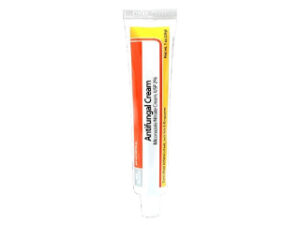
- Topical preparations: Creams, foams, gels, or solutions for skin fungal infections
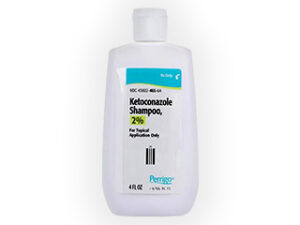
- Medicated shampoos: Used for fungal scalp conditions such as dandruff or seborrhoeic dermatitis
How is it supplied in Australia?
Availability and prescribing rules can vary depending on the exact brand, formulation, and strength. Some ketoconazole products are available from pharmacies under Australian medicines scheduling arrangements, while other products may be restricted.
Mechanism of action (how ketoconazole works)
Fungi need to build and maintain an essential component of their cell membranes called ergosterol. Ketoconazole works by interfering with the production of ergosterol.
Specifically, ketoconazole inhibits fungal enzymes involved in sterol synthesis, leading to:
- Reduced or faulty fungal cell membrane formation
- Inhibition of fungal growth
- Over time, clearance of the infection
Topical ketoconazole primarily acts on the surface where the fungus is present. Oral ketoconazole distributes throughout the body and can treat infections beyond the skin surface when clinically indicated.
Pharmacokinetics (what the body does to ketoconazole)
Absorption
- Oral ketoconazole: Absorption depends strongly on stomach acid. Taking it with food or acid-reducing medicines can markedly reduce absorption.
- Topical ketoconazole: Generally minimal systemic absorption compared with oral use, but some absorption can occur, especially if applied to large areas or on broken skin.
Distribution
- Oral: Ketoconazole distributes into body tissues. Because of metabolism and elimination pathways, liver health is an important consideration.
- Topical: Primarily local action at the site of application.
Metabolism and elimination
- Metabolism: Ketoconazole is metabolised mainly in the liver.
- Elimination: Metabolites are excreted through the body’s normal clearance pathways.
Because ketoconazole is processed in the liver and can affect liver function in some people, monitoring and caution are important for oral therapy.
Typical use and indications (what it’s used for)
Ketoconazole is used to treat fungal infections. Which indication applies depends on the formulation.
Common skin and scalp uses
- Dandruff (seborrhoeic dermatitis) of the scalp (often with ketoconazole shampoo)
- Seborrhoeic dermatitis affecting the scalp and sometimes other areas
- Skin fungal infections such as tinea (ringworm) in some cases, depending on clinical assessment
- Cutaneous candidiasis in selected cases
- Other fungal conditions where ketoconazole is considered appropriate
Oral use (important caution)
Oral ketoconazole has historically been used for certain fungal infections. However, due to safety considerations—particularly liver-related risks and drug interactions—oral ketoconazole use may be limited and handled carefully. In practice, other antifungals may be preferred for many situations.
Your pharmacist or clinician can confirm whether oral ketoconazole is appropriate for your specific diagnosis and medical history.
How to take ketoconazole: timing & administration
Oral ketoconazole tablets
If you are using oral ketoconazole, follow the instructions on the pack or provided by your healthcare professional. General principles include:
- Acid matters: Ketoconazole absorption can be reduced by low stomach acid.
- Food timing: Some patients may be advised to take it at a particular time relative to meals.
- Consistency: Take it the same way each day as directed.
Topical ketoconazole (cream/gel/foam)
- Apply to clean, dry skin
- Use the amount stated for the affected area
- Wash hands after applying unless the hands are the treatment area
- Continue for the full course, even if symptoms improve
Ketoconazole shampoo / medicated scalp foam
- Wet hair and scalp
- Apply and massage into the scalp
- Leave on for the time indicated on your product (often several minutes)
- Rinse thoroughly
- Use as often as directed (e.g., several times per week initially, then maintenance if recommended)
Tip: If your scalp condition keeps coming back, maintenance schedules may be recommended to reduce flares. Ask your pharmacist what maintenance plan suits you.
Food interactions (diet & absorption)
Food can affect how ketoconazole tablets are absorbed. The key concept is that ketoconazole needs sufficient stomach acidity to absorb reliably.
- High-impact on oral absorption: Products that reduce stomach acid (see below) can significantly lower absorption.
- Meal timing: Some instructions may require taking with or without food depending on the product. Follow your specific pack directions.
- Consistency: Use the same timing with meals each dose to help maintain steady absorption.
If you take antacids, heartburn medicines, or acid-reducing therapies regularly, discuss them with a pharmacist before starting ketoconazole tablets.
Alcohol interactions
Alcohol may increase the risk of liver irritation or worsen liver-related risks, particularly with oral ketoconazole. While occasional alcohol may not be an issue for everyone, it is generally wise to limit alcohol during treatment—especially if you are using oral ketoconazole.
- Oral ketoconazole: Avoid or minimise alcohol; seek medical advice if you consume alcohol regularly.
- Topical ketoconazole: Systemic alcohol effects are typically less relevant, but still follow overall liver-safety precautions if you have risk factors.
If you have any history of liver disease, abnormal liver tests, or heavy alcohol use, ask your healthcare professional for personalised guidance.
Medicine interactions (very important)
Ketoconazole can interact with many medicines because it may affect liver enzymes responsible for drug metabolism (and because its absorption may change with stomach-acid medicines).
Common interaction categories
- Drugs that reduce stomach acid: Proton pump inhibitors (PPIs), H2 blockers, and certain antacids may reduce absorption of oral ketoconazole.
- Medicines metabolised by the liver: Ketoconazole may increase or decrease the levels of other drugs.
- Medicines with effects on heart rhythm: Some drug combinations can increase risk of rhythm problems in susceptible individuals.
- Other antifungals: Combining treatments may increase side effects or alter effectiveness.
Practical steps to reduce interaction risk
- Tell your pharmacist about all medicines and supplements you use (including herbal products).
- Check whether you’re taking medicines for reflux/heartburn or indigestion.
- Keep a list of your medicines so it can be reviewed quickly.
If you are using oral ketoconazole, the interaction risk is typically greater than with topical products. Always have your medication list checked.
Dosing (general guidance)
Dosing depends on the formulation, the condition being treated, and your individual factors (including liver function and interacting medicines for oral ketoconazole). Use the exact dose on your product packaging.
Typical dosing principles
- Topical: Usually applied once or more daily depending on the condition and product strength.
- Shampoo: Often used multiple times per week initially, then reduced frequency for maintenance.
- Oral: Dose and duration vary by infection type and patient factors; this is the area where safety precautions and interaction checks are especially important.
Examples of how dosing regimens are structured
Because Australian brands vary, the safest advice is to follow your pack instructions. Below are common regimen patterns:
- Scalp conditions (shampoo): Often used 2–3 times weekly for a short initial period, then as needed or maintenance 1 time weekly (depending on your response).
- Skin infections (cream/foam): Commonly applied once daily or twice daily, continued for at least 2 weeks or as advised, and sometimes for an additional period after symptoms improve.
Important: If symptoms do not improve within the expected timeframe, or if they worsen, seek advice rather than continuing indefinitely.
Safety profile (what to watch for)
General side effects
Side effects depend on the formulation.
Topical ketoconazole
- Skin irritation, redness, or itching
- Burning or dryness at the application site
- Occasionally: allergic skin reactions
Oral ketoconazole (greater caution)
- Headache, nausea, abdominal discomfort
- Possible changes in liver function tests
- Less commonly: serious liver injury (rare but important)
Seek urgent medical help if you notice
- Signs of liver problems: yellowing of the skin/eyes (jaundice), dark urine, severe fatigue, persistent nausea/vomiting, upper right abdominal pain
- Severe allergic reaction: swelling of the face/lips, difficulty breathing, widespread rash with blistering
- Severe rash or skin peeling
Who should take extra care?
- People with liver disease or a history of abnormal liver tests
- People taking multiple medicines (higher interaction risk)
- Pregnant or breastfeeding individuals should discuss suitability with a clinician/pharmacist
- Older adults and people with complex medical conditions
For oral ketoconazole, the safety approach is more strict due to liver risk and interaction potential.
Practical use tips (getting the best results)
- Don’t stop early: Symptoms can improve before the fungus is fully cleared. Finish the recommended course.
- Correct application: Ensure the affected area is clean and dry for topical products.
- Cover the surrounding area: Fungal infections can spread slightly beyond visible borders; follow product instructions and clinician advice.
- Wash towels and bedding: For scalp and skin fungal conditions, improving hygiene can reduce reinfection.
- Avoid occlusive dressings unless advised (can increase irritation or absorption).
- If irritation occurs: Stop and seek advice if you develop significant burning, swelling, or rash.
For dandruff/seborrhoeic dermatitis: It often responds best when used consistently. Maintenance may be needed because flare-ups are common.
Missed dose advice
- Oral tablets: If you miss a dose, take it when you remember unless it is close to the next dose. Do not take double doses.
- Topical products: Apply when you remember, then resume your normal schedule. If it’s nearly time for the next dose, skip the missed one.
- Shampoo: Use it at your next scheduled wash. Try not to overuse beyond the recommended frequency.
If you miss multiple doses, contact a pharmacist for advice on how to restart your regimen.
Alternative antifungal options in Australia
Depending on the site and type of fungal infection, other antifungals may be considered. Alternatives include:
Common alternatives
- Clotrimazole (topical creams/solutions)
- Miconazole (topical; some forms for skin and/or nail conditions)
- Terbinafine (often used for dermatophyte infections such as tinea; available in topical and some oral forms depending on country rules)
- Ciclopirox / amorolfine (for certain nail or skin fungal conditions in specific formulations)
- Fluconazole / itraconazole (oral azole antifungals, chosen based on infection type and interaction profile)
The best alternative depends on the diagnosis, the area involved (skin vs. scalp vs. nails), severity, previous treatments, and your other medicines.
Market & legal context in Australia
Medicines in Australia are regulated under the Therapeutic Goods Administration (TGA) framework. Availability, pack labelling requirements, and scheduling (whether a product is pharmacy-only or restricted) depend on formulation and strength.
For ketoconazole, particular attention is generally given to:
- Safety concerns for oral use (notably liver-related risks and interactions)
- Clear patient directions on pack labels, including warnings about liver symptoms
- Appropriate selection of patients for whom ketoconazole is suitable
If you’re buying ketoconazole from an online pharmacy, you should expect product information tailored to the specific formulation you select, and guidance on how it should be used.
Recent guidance & safety updates (general overview)
Over recent years, guidance in multiple countries has emphasised caution with oral ketoconazole because of liver risk and significant drug interactions. Many guidelines now prefer other systemic antifungal options when appropriate.
Key themes you may see reflected in current practice include:
- Careful patient selection for oral ketoconazole
- Liver safety considerations and heightened awareness of symptoms
- Checking interactions before starting
- More reliance on topical treatments for superficial fungal infections
Pack warnings and current professional recommendations may vary by country and product type. If you have questions, ask a pharmacist to clarify what applies to your specific ketoconazole product.
Delivery, availability & what to expect from an online pharmacy
Online pharmacies in Australia typically offer:
- Search and compare by formulation (tablet, cream/foam, shampoo)
- Product pages with directions for use and warnings
- Packaging and storage information (keep at room temperature unless stated otherwise)
- Home delivery options depending on your location
Availability: Stock levels can vary. If a specific brand or strength is temporarily unavailable, the pharmacy may offer the closest equivalent that matches the same active ingredient and formulation—subject to supply and regulations.
Delivery timeframe: Varies by supplier and your address. During checkout, you should see estimated shipping times.
FAQ about ketoconazole
1) What is ketoconazole used for?
Ketoconazole is used to treat fungal infections. Topical forms are commonly used for skin and scalp fungal conditions (such as seborrhoeic dermatitis and dandruff), while oral ketoconazole may be used for certain more serious fungal infections when considered appropriate.
2) How long does ketoconazole take to work?
Many people notice improvement within the first few days to 1–2 weeks for topical treatments, but complete clearance may take longer. Continue using it for the full recommended course even if symptoms improve early.
3) Can I use ketoconazole shampoo every day?
Typically no—follow the schedule on your product label or the advice of your pharmacist. Overuse may increase irritation and doesn’t necessarily improve outcomes.
4) Is ketoconazole safe for everyone?
Most people can use ketoconazole safely when they follow directions. However, safety depends on the formulation. Oral ketoconazole requires extra caution due to liver risk and interaction potential. If you have liver disease or take many other medicines, discuss suitability before starting.
5) What if my symptoms return?
Some fungal conditions, especially scalp conditions like seborrhoeic dermatitis, may recur. Maintenance treatment schedules may be recommended. Avoid restarting treatments repeatedly without advice—persistent or recurring symptoms may indicate a resistant organism or a different diagnosis.
6) Can I drink alcohol while using ketoconazole?
Alcohol may increase liver-related risk with oral ketoconazole. It’s generally best to limit alcohol and seek advice if you drink regularly or have liver concerns. With topical ketoconazole, systemic effects are usually less relevant.
7) Does ketoconazole interact with reflux medicines?
Oral ketoconazole absorption can be affected by medicines that reduce stomach acid (such as PPIs and some antacids). This can reduce effectiveness. If you take reflux medications, ask your pharmacist to review the interaction risk.
8) Are there skin care tips to prevent re-infection?
Yes. Keep the area clean and dry, don’t share towels, launder clothing and towels regularly, and consider treating affected family members if advised. For scalp conditions, follow the recommended shampoo frequency and allow the product to remain on the scalp for the stated time.
9) When should I see a doctor?
Seek advice if there is no improvement after the expected timeframe, the rash spreads, you develop fever, severe pain, blistering, pus, or signs of allergic reaction. For oral treatment, seek urgent care if you notice symptoms of liver trouble (such as jaundice or dark urine).
10) What are common alternatives if ketoconazole isn’t suitable?
Alternatives may include clotrimazole, miconazole, terbinafine, or other antifungals depending on the infection type and location. A pharmacist can help you choose based on your symptoms and medical history.
Summary
Ketoconazole is an antifungal medicine used for fungal infections of the skin and scalp in various topical forms, and for selected infections in oral form. It works by disrupting fungal cell membrane production. For oral ketoconazole, safety considerations are important—particularly liver risk and interactions with other medicines and acid-reducing therapies.
Use your ketoconazole product exactly as directed, complete the course, and seek advice if symptoms worsen or don’t improve. If you want personalised guidance, speak with a pharmacist in Australia.