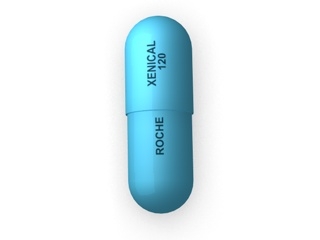

Xenical (Orlistat) – Patient-Friendly Guide (Australia)
Xenical is a weight-management medicine containing orlistat. It works mainly in the gut to help reduce how much dietary fat is absorbed from food. If you’re considering Xenical, it’s important to understand how it works, how to take it, what to expect, and how to stay safe while using it.
This guide is written for people in Australia who want clear information about Xenical and how it fits into a broader plan for weight management, including diet, physical activity, and lifestyle changes.
Quick overview
| Topic | What to know |
|---|---|
| Medicine | Xenical (orlistat) |
| How it works | Blocks absorption of some fats in the small intestine |
| Main effect | Reduces calorie absorption from fat-containing meals |
| Typical dosing | Usually taken with meals that contain fat |
| Common side effects | GI effects related to fat malabsorption |
| Key tip | Choose meals with lower fat content to reduce gut side effects |
Basic product information
Xenical contains orlistat, a medicine designed to assist with weight management. It is intended as part of a program that includes dietary control and physical activity.
In Australia, Xenical is a registered medicine and availability may vary by pharmacy and stock. Your local pharmacist can advise you on current availability and product pack sizes.
How Xenical (Orlistat) works
Mechanism of action (simple explanation)
Orlistat works in the digestive tract by inhibiting enzymes called lipases that normally break down dietary fat. When these enzymes are blocked, a portion of the fat you eat is not absorbed and instead passes through your digestive system.
What this means: Xenical mainly reduces the absorption of dietary fat. It does not directly suppress appetite in the way some other weight-loss treatments do, and it is less effective if meals are high in fat.
Why timing with meals matters
Orlistat needs to be present in the gut at the same time as the meal to help reduce fat absorption. That’s why it’s typically taken with meals.
Pharmacokinetics (what the body does with orlistat)
Orlistat acts primarily within the gastrointestinal tract. Because it is designed to work locally, only a small amount is absorbed into the bloodstream.
- Absorption: Minimal systemic absorption.
- Distribution: Limited distribution beyond the gut.
- Metabolism: Orlistat is largely metabolised in the intestinal wall and is present mainly in the gut.
- Elimination: Most of the drug’s effect is local; the remainder that is absorbed is excreted primarily via the faeces and, to a lesser extent, urine.
Because systemic absorption is low, drug–drug interaction risk related to systemic levels is generally lower than for medicines that are fully absorbed. However, practical interactions (e.g., with fat-soluble vitamins) still matter.
Typical use in weight management
Who it may be used for (indications)
Xenical is used as an adjunct to a reduced-calorie diet for weight management in people who have a higher body weight. Indications commonly include people with:
- Obesity (including weight-related health risks), and/or
- Some people who may be considered at higher risk due to excess weight
In practice, healthcare decisions in Australia often depend on body mass index (BMI), overall health, and personal circumstances. Your pharmacist can help explain how Xenical is typically considered alongside lifestyle measures.
Realistic goals
Weight management medicines work best when combined with:
- Dietary changes (especially reducing high-fat foods)
- Regular physical activity
- Behaviour and habit changes
Results vary from person to person. If you’re not seeing progress, you may need a review of your plan. Continued use is generally considered based on response and tolerance.
Dosing and how to take Xenical
Standard adult dosing (commonly used approach)
The commonly used adult dose of Xenical (orlistat) is:
- 1 capsule three times daily with meals
Orlistat is usually taken immediately before, during, or up to 1 hour after a meal. The key is that it should line up with the meal when dietary fat is present in the gut.
Skip doses when you skip meals
If a meal is missed—or if a meal contains little or no fat—do not take a dose for that meal. This helps reduce digestive side effects.
Table: practical “when to take” guide
| Situation | What to do |
|---|---|
| Eat a meal that includes fat | Take your capsule with that meal (before, during, or within ~1 hour) |
| Miss a meal | Skip that dose |
| Meal is very low fat | Consider skipping the dose (or follow pharmacist’s advice) |
| Occasional late meal | If it’s within ~1 hour of the meal time, you can still take it with/after the meal |
Food interactions and dietary guidance
Why meal fat content matters
Xenical is designed to block absorption of fat from food. If you eat a higher-fat meal, you may experience more fat that remains in the gut, which can lead to side effects such as oily stools or urgent bowel movements.
A practical approach is to aim for a moderate-fat, reduced-calorie diet rather than relying on Xenical to “cancel out” high-fat eating.
General food tips to reduce side effects
- Spread intake across the day: Take capsules with each main meal that contains fat.
- Choose lower-fat options: Lean proteins, low-fat dairy, and lighter cooking methods may help.
- Increase fibre gradually: This can support bowel comfort.
- Watch portion sizes: Large meals can overwhelm the digestive system.
- Stay hydrated: Fibre changes can increase fluid needs.
Fat-soluble vitamins (important)
Because Xenical reduces fat absorption, it may also reduce absorption of fat-soluble vitamins, including vitamins A, D, E, and K.
If you use Xenical, consider discussing a suitable vitamin supplement strategy with your pharmacist. In many cases, a multivitamin that includes fat-soluble vitamins is recommended, but timing matters (see “Medicine interactions” below).
Alcohol and Xenical interactions
Alcohol: what to know
There isn’t a widely recognised direct “dangerous interaction” between orlistat and moderate alcohol for most people, but alcohol can affect weight management and digestive health.
- GI side effects: Alcohol may increase stomach irritation and can worsen diarrhoea or discomfort in some people.
- Diet challenges: Alcoholic drinks often add calories and can encourage higher-fat or higher-calorie food choices.
- Safety: If you experience significant bowel changes, nausea, or dehydration, avoid alcohol and seek advice.
If you have liver disease, pancreatitis history, or other significant health conditions, ask a pharmacist for personalised guidance.
Interactions with other medicines
Orlistat works mainly in the gut, so systemic interactions are generally less prominent than with medicines that are absorbed widely. However, interactions can occur through reduced absorption of certain nutrients and medicines.
Medicines that may be affected
- Fat-soluble vitamins: May be less absorbed while taking Xenical. Many people separate vitamin dosing from orlistat.
- Warfarin (and other blood thinners): Some patients may experience changes in clotting control. If you take warfarin, monitoring may be needed.
- Thyroid hormones (e.g., levothyroxine): Oral absorption may be affected by changes in gut handling. Separation of dosing may be advised.
- Antiretroviral medicines (HIV): Some antiretrovirals require careful absorption and timing. Ask your pharmacist for guidance.
- Other medicines: If a medicine needs consistent absorption, timing may be important.
Timing strategy for supplements and some medicines
A common practical approach is to take vitamins and certain medicines at least 2 hours before or after Xenical, unless your pharmacist advises otherwise. This can help reduce competition for absorption in the gut.
Always check the specific medicine instructions provided by your pharmacist or on the product packaging.
Safety profile: side effects and when to seek help
Common side effects
Because orlistat reduces fat absorption, side effects often relate to undigested fat moving through the digestive system. These are usually more noticeable early in treatment and may improve when diet fat is reduced.
- Oily spotting or leakage
- Oily or fatty stools
- Increased bowel movements or urgency
- Gas with oily discharge
- Abdominal discomfort
- Soft stools or diarrhoea
Less common but serious risks (seek advice urgently if severe)
Serious adverse reactions are uncommon, but you should contact a healthcare professional promptly if you experience:
- Severe or persistent abdominal pain
- Signs of dehydration (e.g., dizziness, fainting, very dark urine)
- Allergic reaction symptoms (swelling of face/lips, rash, difficulty breathing)
- Blood in stool or black/tarry stools
- Yellowing of skin/eyes or severe fatigue (possible liver-related issues—rare)
Who should be extra careful
Talk to a pharmacist before using Xenical if you have:
- Chronic bowel conditions (e.g., inflammatory bowel disease)
- Malabsorption conditions or a history of nutrient deficiencies
- Diabetes (weight changes may affect blood glucose targets)
- Kidney disease or a history of kidney stones
- Pregnancy or breastfeeding considerations
If you are unsure, ask your pharmacist for safety advice based on your medical history and medicines.
Practical use tips for better results and comfort
Start with realistic diet changes
For many people, the fastest way to improve comfort is to reduce meal fat content from day one. Xenical works with your diet rather than replacing dietary changes.
Be consistent with dosing
- Take capsules with main meals that contain fat.
- Skip doses when you skip meals.
- Maintain a routine so doses line up with eating.
Manage bowel side effects
- Reduce higher-fat foods (especially fried foods, creamy sauces, and large portions).
- Choose lean proteins and lower-fat dairy.
- Consider scheduling: Some people find weekend timing helps while their gut adjusts.
Consider supplements if needed
Many people taking orlistat long term may benefit from vitamin monitoring and supplementation. Discuss a plan with a pharmacist, particularly if you have dietary restrictions.
Track progress beyond the scale
Weight management often improves with time. Consider also tracking:
- Waist measurements
- Energy levels and activity tolerance
- Food habits you can sustain
Alternative options to consider
Xenical (orlistat) is one option within broader weight management strategies. Depending on your health profile, preferences, and available treatments in Australia, alternatives may include:
- Other weight-loss medicines (different mechanisms, different side-effect profiles)
- Non-medicine options such as structured diet programs, behavioural coaching, and supervised exercise plans
- Specialised medical weight management for people who need additional support
If you’re unsure whether orlistat is the right fit, speak with a pharmacist about options and what to expect from each.
Market and legal context for Australia
In Australia, medicines are regulated through the national medicines framework under the Therapeutic Goods Administration (TGA). Availability, labelling, and product requirements can differ between products and may change over time.
Weight management medicines (including orlistat) are typically used alongside lifestyle measures, and ongoing guidance may evolve. Always rely on current product information and the advice provided with your specific brand and pack.
Recent guidance and practical updates (how to stay current)
Clinical practice and public health guidance can change, including recommendations around:
- Expected weight-loss timelines
- Monitoring needs (e.g., nutritional status)
- Dietary counselling approaches
- Medication review and interaction checks
For the latest, the most reliable sources include your pharmacist, prescribing clinician, and official Australian health resources.
Delivery and availability (online pharmacy)
When ordering online in Australia, availability can depend on your local pharmacy’s supplier links and current stock levels. Many pharmacies offer:
- Home delivery (standard or express options, depending on location)
- Tracking for shipped orders
- Discrete packaging for privacy
Delivery times may vary by state and suburb, and may be longer during high-demand periods. If a product is temporarily unavailable, some pharmacies offer alternatives or a back-order process.
Always check the product details on the listing for pack size, expiry, and delivery estimates.
FAQ about Xenical (Orlistat)
1) Is Xenical the same as over-the-counter orlistat?
Xenical is a brand of orlistat. In Australia, different strengths and product types may be available. If you’re comparing products, check the exact active ingredient and dose on the label, and follow the instructions for that specific product.
2) When should I take Xenical?
Generally, take it with meals that contain fat—typically immediately before, during, or within about 1 hour of eating. Skip doses if you miss a meal.
3) What diet changes help most while using Xenical?
Reducing high-fat foods usually helps reduce gastrointestinal side effects. Aim for a reduced-calorie pattern with balanced meals and lower-fat choices.
4) Will Xenical stop me from absorbing all fat?
No. Xenical reduces absorption of some dietary fat, but it does not block all fat absorption. Your results depend on the fat content of meals and your overall calorie intake.
5) Do I need vitamin supplements?
Because Xenical may reduce absorption of fat-soluble vitamins, many people consider a supplement strategy. Ask a pharmacist which vitamins (and timing) may be appropriate for you.
6) Can I drink alcohol while taking Xenical?
Moderate alcohol may be tolerated by many people, but it can worsen digestive symptoms and adds calories. If you notice increased diarrhoea or discomfort, avoid alcohol and seek advice if symptoms are severe or persistent.
7) What medicines interact with Xenical?
Some medicines may be affected by gut absorption changes, and timing can matter (especially for certain supplements and medications). If you take warfarin, levothyroxine, antiretroviral medicines, or other regular prescriptions, ask a pharmacist for specific guidance.
8) What if I miss a dose?
If you miss a dose, take it with the next meal as directed (don’t double up). If you’re unsure, check with your pharmacist.
9) Are there signs that mean I should stop and get help?
Seek urgent medical advice if you develop severe abdominal pain, signs of allergy (swelling, breathing difficulty), blood in stool, or symptoms suggesting dehydration. Rare liver-related symptoms (e.g., yellowing of skin/eyes) also require prompt attention.
10) How long should I take Xenical?
Use duration varies based on your goals, response, and tolerance. In general, weight management plans are reassessed over time. If you do not see meaningful results or side effects are difficult to manage, discuss next steps with a pharmacist.
Important closing notes
Xenical (orlistat) can be a useful option for some people aiming for weight management by reducing dietary fat absorption. For best results and comfort, combine it with a reduced-calorie, lower-fat diet, regular physical activity, and appropriate monitoring for vitamins and interactions.
If you’d like, tell us which medications and supplements you currently take (including vitamins), and any health conditions you have. A pharmacist can help you review whether Xenical is suitable and how to time doses to minimise interaction risks.