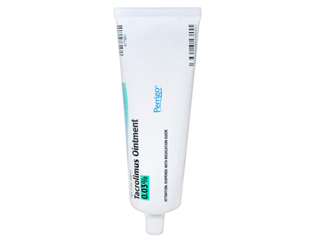

Tacrolimus (for example, tacrolimus capsules or tacrolimus ointment): Patient-Friendly Guide
Tacrolimus is a medicine used to reduce the activity of the immune system. It is used in transplant care and in certain immune-related skin conditions. Because it can have serious side effects and interactions, tacrolimus must be taken and monitored carefully according to clinical advice.
Basic product information
What it is: Tacrolimus is a calcineurin inhibitor that helps prevent immune cells from becoming overactive.
Available forms (common examples):
- Oral tacrolimus (often capsules or prolonged-release capsules, depending on brand and formulation)
- Topical tacrolimus ointment (used for certain inflammatory skin conditions)
Strengths: Strengths vary by product type and formulation. Always check the exact strength on your medicine label.
How it works in simple terms: It “turns down” immune signalling so your body is less likely to reject an organ or worsen inflammatory skin disease.
Mechanism of action (how tacrolimus works)
Tacrolimus suppresses immune responses by blocking calcineurin, a key enzyme in immune-cell activation. This leads to:
- Reduced T-cell activation
- Lower production of inflammatory signalling chemicals
- Decreased risk of immune attack (e.g., following transplant) or reduced inflammation in skin disease
For people receiving an organ transplant, tacrolimus helps prevent the immune system from recognising the new organ as “foreign”.
Pharmacokinetics (how the body processes tacrolimus)
Absorption
- Oral forms: Absorption can vary between individuals. Food and drug interactions can significantly affect blood levels.
- Topical forms: Skin absorption is generally lower than oral therapy, but it still requires careful use.
Distribution
Tacrolimus is highly bound to proteins and distributes into body tissues. This is one reason blood level monitoring can be important with oral therapy.
Metabolism and elimination
- Metabolism: Primarily metabolised by the liver enzyme system (notably CYP3A4/5).
- Elimination: Metabolites are excreted mainly via bile/faeces, with a smaller portion via urine.
Half-life
The half-life varies by patient and formulation, and may be influenced by liver function and interacting medicines. Because of variability, blood monitoring is commonly used for oral tacrolimus.
Typical use in Australia
Tacrolimus is mainly used in two contexts:
- Organ transplant medicine: To prevent rejection in people who have received solid organs (commonly liver, kidney, and heart) or as part of regimen adjustments.
- Inflammatory skin conditions: Topical tacrolimus ointment is used for certain inflammatory skin disorders (including eczema/atopic dermatitis and other immune-mediated inflammatory dermatoses, depending on product indication).
Indications (what tacrolimus is used for)
Indications depend on the formulation (oral vs topical) and local product authorisation. In general:
- Oral tacrolimus: Prevention of organ transplant rejection and treatment of rejection in some cases, as part of transplant medicine regimens.
- Topical tacrolimus ointment: Management of inflammatory skin conditions in suitable patient groups, especially where steroid-sparing treatment is desired.
Dosing: how it’s usually taken
Dose depends on the condition, formulation, your overall health, and the results of blood tests (especially for oral therapy). Because tacrolimus levels are important, doses are often adjusted over time.
Oral tacrolimus dosing principles
- Individualised dosing: Your clinician may start you on a dose based on transplant type and your risk factors.
- Blood level monitoring: Many patients require periodic blood tests (commonly tacrolimus trough levels) to keep levels in the target range.
- Consistent regimen: Keeping timing and formulation consistent helps maintain stable exposure.
Topical tacrolimus dosing principles
- Use thin layer: Apply to affected skin as directed.
- Follow a pattern: Some regimens start more frequently then reduce as symptoms improve.
- Avoid prolonged continuous use: Use as instructed, and seek review if symptoms persist or worsen.
Timing tips (oral)
If you are prescribed oral tacrolimus, your dose schedule is often designed around stable daily exposure. For many patients:
- Take at consistent times each day.
- Do not switch brands or formulations without guidance—even small changes can affect absorption.
- Plan blood tests carefully: trough level tests are typically taken right before the next dose (as advised by your clinician).
When to take tacrolimus with food
Food can affect oral tacrolimus absorption. As a result, many healthcare providers recommend a consistent approach:
- Maintain the same food routine each day.
- Check product-specific instructions: Some regimens recommend taking tacrolimus in a defined relationship to meals (for example, either consistently with or without food).
- Be careful with grapefruit: It can significantly increase tacrolimus levels (see “Food interactions” below).
If you’re unsure whether to take your doses with food, follow the instructions provided with your specific tacrolimus product or ask your pharmacist for clarification.
Food interactions: what to avoid
Certain foods and dietary patterns may change tacrolimus levels.
- Grapefruit and grapefruit juice: Can raise tacrolimus levels and increase the risk of side effects.
- Seville oranges and similar citrus products: May also increase tacrolimus levels.
- High-fat meals: May alter absorption. If your provider has recommended meal-related timing, stick to it.
If you are making dietary changes or using supplements, it’s wise to ask a pharmacist whether they could interact with tacrolimus.
Alcohol and medicine interactions
Alcohol
Alcohol is not always strictly forbidden, but tacrolimus can affect the liver and interact with medicines that influence liver enzymes. If you drink alcohol:
- Do so in moderation
- Avoid heavy drinking, especially if you have liver impairment
- Discuss alcohol use with your healthcare team if you are also taking other medicines that affect the liver
Important medicine interactions (oral and topical)
Tacrolimus can interact with many medications because of shared metabolic pathways and effects on immune function. Some key interaction categories include:
- Strong CYP3A4/5 inhibitors (often increase tacrolimus levels):
- Some antifungals (e.g., certain azoles)
- Some antibiotics (e.g., macrolides)
- Some antivirals
- Strong CYP3A4/5 inducers (often decrease tacrolimus levels):
- Some anti-seizure medicines
- Some medicines used for tuberculosis
- Other medicines that affect kidney function: Increased risk of kidney problems when combined with other potentially nephrotoxic medicines.
- Medicines that affect potassium levels: Tacrolimus may affect potassium; interactions with other drugs that change potassium may increase risk.
- Herbal products and supplements:
- St John’s wort can reduce tacrolimus levels.
- Other supplements may also affect liver enzymes or immunity.
This is not an exhaustive list. Always tell your pharmacist and clinician about all medicines and supplements you take, including over-the-counter products.
Safety profile: what to watch for
Tacrolimus can be effective, but safety monitoring is important. Side effects can vary depending on dose, duration, and whether you are using oral or topical therapy.
Common side effects (oral)
- Tremor or headache
- Changes in blood sugar
- Gastrointestinal discomfort (e.g., nausea)
- High blood pressure
- Kidney function changes
Serious side effects (oral)
Seek urgent medical advice if you develop concerning symptoms, especially if they may signal toxicity or infection.
- Infection risk: Tacrolimus reduces immune activity, increasing susceptibility to infections.
- Kidney impairment: Often monitored through blood tests (creatinine/eGFR).
- Neurological effects: Seizures, confusion, severe tremor (rare, but important).
- Electrolyte disturbances: Particularly potassium and magnesium changes.
- Blood disorders: Your clinician may monitor blood counts.
Common side effects (topical)
- Skin burning, stinging, or irritation at the application site
- Redness or dryness
- Itching may temporarily worsen early in treatment
Serious side effects (topical)
- Signs of skin infection (increasing redness, warmth, pain, pus, or fever)
- Unusual or worsening symptoms—especially in areas treated longer than recommended
Practical use tips (to get the best results and stay safe)
For oral tacrolimus
- Use the same brand and formulation consistently. If a change is required, ask your pharmacist about equivalence and monitoring.
- Keep a routine: taking doses at consistent times can help stabilise levels.
- Attend blood test appointments: monitoring helps your clinician maintain an effective but safe range.
- Do not stop or change dose suddenly. Stopping can increase the risk of rejection or flare of immune activity.
- Record changes: note any new medicines (including antibiotics or antifungals) and contact your clinician if you start something new.
For tacrolimus ointment
- Apply to clean, dry skin unless your product directions state otherwise.
- Wash your hands after applying unless the hands are being treated.
- Avoid getting it in eyes or mouth.
- Use sun protection: treated skin may be more sensitive to sunlight.
- Follow the duration plan: if symptoms don’t improve, seek reassessment.
Alternative options (depending on your condition)
Alternatives depend on whether you are using oral or topical tacrolimus and the specific indication.
Oral transplant-related alternatives
- Other calcineurin inhibitors: such as ciclosporin (used in some transplant regimens)
- mTOR inhibitors: e.g., everolimus or sirolimus in specific contexts
- Other immunosuppressants: depending on the regimen (e.g., antimetabolites and corticosteroids)
Topical skin inflammation alternatives
- Topical corticosteroids: often used for flares, with attention to potency and duration
- Topical anti-inflammatory therapies: selection depends on severity, location, and patient age
- Non-steroid moisturisers and skin care: supportive therapy can reduce flares
If you are considering switching, discuss with a clinician or pharmacist. Changing immunosuppressive therapy can affect effectiveness and safety.
Market and legal context for Australia
In Australia, tacrolimus is supplied under controlled medicines frameworks and is typically used in hospital and specialist settings. Product availability and prescribing practices can differ by form (oral vs topical) and by indication.
- Quality and regulation: Medicines sold in Australia must meet regulatory requirements for quality, safety, and effectiveness.
- Specialist monitoring: Oral tacrolimus commonly requires therapeutic drug monitoring (blood tests) and follow-up.
- Safety considerations: Because tacrolimus suppresses the immune system and has significant interactions, ongoing clinical oversight is essential.
Recent guidance and monitoring considerations
Guidance for tacrolimus use evolves over time based on safety data, prescribing reviews, and changes in immunosuppressive protocols. Patients should ensure they follow the latest advice from their treating team regarding:
- Therapeutic drug monitoring schedules and target ranges (for oral therapy)
- Managing interactions when starting new medicines (especially antifungals, antibiotics, antivirals, and medicines for seizures or tuberculosis)
- Infection prevention and early recognition of symptoms
- Medication reconciliation (confirming all medicines at each review)
If you receive new instructions from a specialist or pharmacist, follow those rather than relying only on general information.
Delivery and availability (online pharmacy in Australia)
Availability varies by product type and strength. When ordering via an Australian online pharmacy:
- Stock status: Some tacrolimus products may be kept in regular supply, while others may be ordered as needed.
- Dispatch time: Delivery schedules depend on whether items are in stock.
- Packaging: Medicines are supplied in manufacturer packaging where possible to support correct identification.
- Customer support: If you have questions about how to take your specific formulation, pharmacists can help clarify instructions.
Delivery times may vary by location and service level (standard vs express). Check the checkout page for estimated delivery windows.
FAQ: Tacrolimus
1) What is tacrolimus used for?
Tacrolimus is used to reduce immune activity. It may be used in transplant care to help prevent organ rejection and, depending on the formulation, to treat certain inflammatory skin conditions.
2) How long does tacrolimus take to work?
Oral tacrolimus effectiveness depends on achieving the correct blood levels, which is why monitoring may occur frequently early on. For topical tacrolimus ointment, symptom improvement can occur over days to weeks, but the exact timeline varies by person and skin condition.
3) Why do I need blood tests for oral tacrolimus?
Tacrolimus levels can vary due to absorption and drug interactions. Blood tests help ensure levels are in a safer, more effective range and guide dose adjustments.
4) Can I take tacrolimus with food?
Food can affect tacrolimus absorption. Follow the product-specific instructions provided for your formulation. In many regimens, taking it consistently in relation to meals is recommended.
5) Is grapefruit allowed?
Grapefruit and grapefruit juice are generally avoided because they can raise tacrolimus levels and increase the risk of side effects.
6) What medicines interact with tacrolimus?
Tacrolimus interacts with many medications, particularly those that affect liver enzymes (such as CYP3A4/5). Antifungals, certain antibiotics, antivirals, seizure medications, and herbal products like St John’s wort are common examples. Always check with a pharmacist before starting new medicines.
7) What side effects should make me contact a doctor urgently?
Seek urgent medical advice if you develop signs of serious infection (high fever, severe chills), unusual neurological symptoms (severe tremor, confusion), reduced urine output or worsening kidney function, or any severe or rapidly worsening symptoms.
8) How should I apply tacrolimus ointment?
Apply a thin layer to the affected skin only, wash hands after use, and avoid eyes and mucous membranes. Use as directed and follow the recommended duration. If you develop signs of skin infection or worsening symptoms, seek review.
9) Can I drink alcohol while using tacrolimus?
Moderate alcohol use may be possible for some people, but tacrolimus can affect the liver and interact with other medicines. If you have liver issues or take other interacting medications, discuss alcohol use with your healthcare team.
10) What if I miss a dose?
If you miss a dose, take it when you remember unless it is close to the time of your next dose. Do not take double doses. For the safest guidance, follow the instructions provided with your specific product or ask a pharmacist.
11) Are there alternative medicines if tacrolimus doesn’t suit me?
Alternatives may include other immunosuppressive medicines for transplant care or other anti-inflammatory treatments for skin conditions. Your treating clinician can advise based on your medical history and monitoring results.
12) Is tacrolimus safe for long-term use?
Long-term use may be necessary for some transplant regimens or chronic inflammatory skin diseases. Safety depends on dose, monitoring, and managing risks such as infections, kidney function, and interactions.
Summary
Tacrolimus is a potent immune-modulating medicine used in transplant care and, in certain formulations, inflammatory skin conditions. Because it can interact with foods and many medicines—and because oral therapy typically requires careful monitoring—consistent use and close follow-up are essential for safety and effectiveness.