Retin-A Gel (Tretinoin) — Patient Guide (Australia)
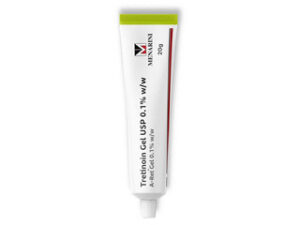
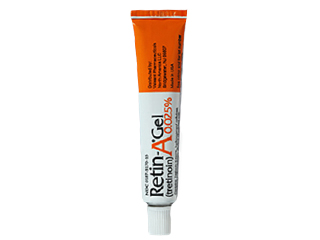
Retin-A Gel contains tretinoin, a form of vitamin A used to treat specific skin conditions and to improve the appearance of skin texture over time. This patient-friendly guide explains how Retin-A Gel works, how to use it safely, and what to expect—tailored for people in Australia.
Important: Read the product label and any instructions provided by your healthcare professional. If you’re unsure which strength is right for you, speak with a pharmacist.
1) Basic Product Information
| Product | Active ingredient | Common strengths (varies by brand/market) | Dosage form | Typical use area |
|---|---|---|---|---|
| Retin-A Gel | Tretinoin | e.g., 0.025%, 0.05% (strength depends on product) | Topical (skin) gel | Face, and sometimes other prescribed areas |
What Retin-A Gel is: a topical retinoid that helps normalise skin cell turnover. It may be used for acne and, in some cases, for other skin concerns as advised.
Who it’s for: many people with acne or textural concerns who can tolerate a period of adjustment as the skin adapts.
2) How Retin-A Gel Works (Mechanism of Action)
Tretinoin is a topical retinoid. It works by influencing how skin cells behave:
- Normalises skin cell turnover: helps prevent clogged pores (blackheads and whiteheads).
- Reduces comedone formation: supports more regular shedding of dead skin cells.
- Improves inflammation over time: acne can involve inflammation; tretinoin gradually improves the acne environment.
- Supports smoother texture: for some people, it can reduce roughness and improve overall skin appearance.
Why it takes time: tretinoin works on the processes within the skin, not instantly. Improvement is typically gradual.
3) Pharmacokinetics (What Happens in the Body)
Because tretinoin is applied to the skin, only a small amount is expected to absorb through intact skin. Key points:
- Absorption: systemic absorption after topical use is generally low.
- Metabolism: if absorbed, tretinoin is metabolised by normal body pathways.
- Elimination: any absorbed drug is cleared primarily through normal metabolism and excretion processes.
Clinical relevance: for most users, systemic side effects are uncommon when used as directed. However, avoid over-application, large areas, or broken/irritated skin to minimise absorption and irritation.
4) Typical Uses and Indications
Retin-A Gel is used for skin problems where a retinoid’s effect on cell turnover and pores is helpful.
Common indications
- Acne vulgaris: including comedonal acne (clogged pores) and inflammatory acne, as part of a planned regimen.
- Other skin concerns: some clinicians may use tretinoin for specific indications based on product registration and local practice. Always follow Australian guidance and your clinician’s advice.
Note: The exact approved indications can depend on the specific product strength and local regulatory status. A pharmacist can help you verify the indicated use for the specific Retin-A Gel product you receive.
5) When to Use It (Timing and Routine)
Retin-A Gel is commonly applied in the evening because topical tretinoin can increase sensitivity to sunlight (and because many people find evening use easier to match with moisturising and sun protection).
Suggested schedule
- Evening: apply a thin layer to clean, dry skin.
- Start gradually: begin with a lower frequency (e.g., every second night) if you’re new to tretinoin.
- Sun protection: use a broad-spectrum sunscreen in the morning (SPF 30 or higher is commonly recommended).
What to do if you miss a dose
- Apply it only when it’s time for your next scheduled application.
- Do not apply extra gel to make up for a missed dose.
6) How to Use Retin-A Gel (Practical Instructions)
Before you apply
- Wash the area with a gentle cleanser.
- Pat dry and wait until the skin is completely dry (typically 10–20 minutes) before applying.
- Avoid using other strong or irritating products right before applying.
Application steps
- Use pea-sized amount for the whole face (typical guidance; use less for small areas).
- Apply a thin layer—enough to cover the target area.
- Gently spread; avoid corners of the nose, eyelids, mouth corners, and any cuts or eczema-like areas unless your clinician instructs otherwise.
- Wash your hands after application.
Moisturiser and “sandwich” method
If you’re prone to dryness or irritation, many people find it helpful to use a moisturiser strategy:
- Option A (after): apply moisturiser after the gel has absorbed.
- Option B (before & after): apply moisturiser first, then tretinoin, then moisturiser again (“sandwich” method).
Choose gentle products (fragrance-free if possible). Avoid harsh scrubs and strong acids during the initial adjustment period.
7) Dosing (Typical Regimen)
Dosage depends on the product strength, your skin sensitivity, and the condition being treated. A typical approach for tretinoin gel is as follows:
- Adults and adolescents: apply once daily (usually in the evening), but start slowly if new to retinoids.
- Starting frequency: often every second night for 2–4 weeks, then increase if tolerated.
- Maintenance: many people use it nightly or as advised once the skin adapts.
Do not increase frequency to “speed results.” Overuse commonly increases irritation without improving outcomes.
If using multiple acne treatments: ask your pharmacist or clinician for an exact routine (e.g., whether to combine with benzoyl peroxide, antibiotics, or moisturisers).
8) Timing, Food Interactions, and Alcohol Interactions
Food interactions
Topical tretinoin is applied to the skin, and meaningful dietary interactions are not expected in normal use. However, overall acne treatment may involve oral medicines, and those could have food-related interactions.
- For Retin-A Gel itself: no specific food interaction is typically relevant.
- If you take oral medicines: check interactions separately.
Alcohol interactions
There are no well-established direct interactions between topical tretinoin and moderate alcohol intake. That said:
- Skin irritation risk: acne products may contain alcohol-based ingredients (in toners or astringents). Avoid combining alcohol-heavy skincare with tretinoin, especially during the first weeks.
- Oral medications: if you’re using other acne treatments that interact with alcohol, follow the advice from your prescriber or pharmacist.
9) Medicine Interactions and Skin Product “Conflicts”
Even when no major drug–drug interactions occur, skin interactions matter. Using multiple irritating products at the same time increases the chance of redness, peeling, burning, or swelling.
Be cautious with combining tretinoin with
- Other exfoliants: scrubs, peel pads, microdermabrasion.
- Strong acids: glycolic acid, salicylic acid, lactic acid, high-strength AHAs/BHAs (unless specifically advised).
- Overly drying products: some alcohol-based toners.
- Other retinoids: avoid stacking multiple retinoid products on the same areas.
- Harsh cleansers: foaming, highly fragranced cleansers may worsen irritation.
With benzoyl peroxide
Many acne regimens use both tretinoin and benzoyl peroxide. Some people find it works well, but skin can be sensitive. If you use both, consider:
- Using them at different times of day (e.g., benzoyl peroxide in the morning, tretinoin at night), or
- Starting one product at a time, adding the second later once your skin tolerates tretinoin.
Always patch-test and follow a stepwise approach if introducing new products.
10) Safety Profile: Who Should Be Careful?
Retin-A Gel is generally well-tolerated when used correctly. Common side effects relate to skin irritation, especially during the first few weeks.
Common side effects
- Dryness
- Redness
- Peeling or flaking
- Stinging/burning
- Itching
Serious or urgent concerns
Stop use and seek medical advice urgently if you experience:
- Severe swelling, blistering, or intense burning
- Signs of an allergy (e.g., hives, widespread rash)
- Eye irritation or symptoms around the eyes (burning, tearing, redness)
Special populations
- Pregnancy and breastfeeding: If you are pregnant or may become pregnant, discuss options with your healthcare professional. Topical retinoids require caution in these circumstances.
- Sensitive or eczema-prone skin: may need slower introduction, moisturising strategies, and avoidance of harsh products.
- Children: use should be guided by a clinician/pharmacist based on age and condition.
11) Practical Use Tips for Better Results and Less Irritation
- Start low and go slow: gradual frequency helps skin adapt.
- Use the “right amount”: more gel does not equal faster results— it often equals more irritation.
- Apply to dry skin: moisture can increase irritation. Wait until the face is fully dry.
- Moisturise consistently: a gentle moisturiser can reduce side effects.
- Protect from the sun: use broad-spectrum sunscreen every morning, and consider hats or shade.
- Avoid waxing/laser/strong treatments over the same skin area while you’re adjusting, unless a clinician advises it’s safe.
- Expect a “ramp-up” period: some people experience initial worsening or increased dryness in the early weeks.
- Don’t pick at skin: irritation can worsen inflammation and delay healing.
12) What to Expect: Timing of Results
Improvement usually occurs over weeks to months:
- First 2–4 weeks: redness, dryness, and peeling are most common as skin adjusts.
- 4–8 weeks: many people begin to see fewer clogged pores and changes in acne pattern.
- 8–12 weeks (sometimes longer): clearer improvement in texture and acne control.
Tip: continue a consistent routine rather than changing products every few days. If irritation becomes intolerable, reduce frequency and focus on moisturising—then consult a pharmacist if needed.
13) Alcohol and Skin: Additional Considerations
While alcohol does not typically “interact” with topical tretinoin in the way it might with some oral medicines, alcohol can affect skincare choices:
- Avoid using alcohol-heavy toners, astringents, or aftershaves on the same area as tretinoin.
- Choose gentle, non-fragranced products during treatment.
If your skincare routine includes multiple potentially drying components, consider simplifying until your skin stabilises.
14) Alternative Options (If You Need a Different Approach)
If Retin-A Gel doesn’t suit your skin, alternatives depend on your condition, skin sensitivity, and treatment goals.
Common alternative topical options
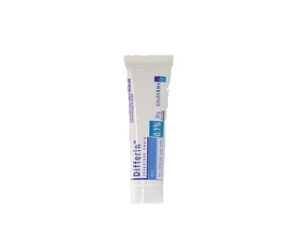
- Other topical retinoids: such as adapalene or tretinoin in different formulations/strengths (availability varies).
- Salicylic acid (BHA): helps with exfoliation and unclogging pores; can be drying for some.
- Benzoyl peroxide: helps kill acne-causing bacteria and can reduce inflammation.
- Topical antibiotics (where appropriate): used under clinician/pharmacist guidance to reduce resistance risk.
- Azelaic acid: can be helpful for acne and post-acne marks for some people and may be less irritating than some retinoids.
Procedural options (for certain cases)
- Some acne conditions may respond to professional treatments like chemical peels, laser therapy, or prescription combinations—discuss with a healthcare professional.
Choosing an alternative: if you’re experiencing significant irritation with tretinoin, a pharmacist can help you adjust the routine or suggest an alternative with a similar goal.
15) Australia: Market and Legal/Regulatory Context
In Australia, availability of medicines can differ by strength, product type, and regulatory classification. Topical tretinoin products may be supplied under different arrangements depending on the specific product and how it’s classified.
- Pharmacy supply and compliance: online pharmacies will typically follow Australian regulatory requirements for sourcing, dispensing, and packaging.
- Product labelling: always verify the active ingredient, strength, and directions on the box or pack you receive.
- Quality and authenticity: reputable pharmacies in Australia should supply medicines from authorised channels with proper documentation.
Recent guidance: Acne and retinoid use guidance continues to emphasise appropriate skin preparation, slow introduction, consistent sunscreen, and avoiding unnecessary combination irritation.
Seek updated advice: if you have severe acne, scarring acne, or persistent irritation, consult a healthcare professional for a personalised plan.
16) Delivery and Availability (Online Pharmacy)
Availability of Retin-A Gel can vary by strength and stock. In Australia, online pharmacies typically offer:
- Standard and express delivery options depending on location.
- Secure packaging to protect gel integrity during transit.
- Tracking information for eligible orders.
What to check before ordering:
- The active ingredient is tretinoin.
- The strength matches what you intend to use.
- The expiry date on the pack is valid.
17) Safety Checklist (Quick Reference)
- Apply only to the affected area (and the surrounding zone prescribed).
- Use thin layers—avoid over-application.
- Don’t apply to broken skin or open wounds.
- Avoid eyes and lips.
- Use sunscreen daily.
- Reduce frequency if irritation becomes severe.
- Stop and seek help for severe reactions.
18) Frequently Asked Questions (FAQ)
1. How long does it take to see results with Retin-A Gel?
Many people notice changes after 4–8 weeks. More noticeable improvement often takes 8–12 weeks or longer, especially for acne and texture concerns.
2. Should I use Retin-A Gel every night?
Many users start every second night or less frequently if they’re new, then increase to nightly if tolerated. If your skin becomes very irritated, return to a lower frequency and moisturise.
3. What if my skin gets very red or burns?
Stop for a few days, moisturise, and restart at a lower frequency with a thinner layer. Avoid other irritating skincare. If symptoms are severe or blistering occurs, seek medical advice.
4. Can I use moisturiser with Retin-A Gel?
Yes. A gentle moisturiser is often recommended. You can apply moisturiser after the gel, or use the “sandwich” method (moisturiser–tretinoin–moisturiser) if you’re sensitive.
5. Can I combine Retin-A Gel with sunscreen?
Yes. In fact, sunscreen is important during treatment. Apply sunscreen in the morning and allow it to dry before sun exposure.
6. Can I use other acne products at the same time?
Some combinations are possible (for example, benzoyl peroxide in the morning and tretinoin at night). However, avoid stacking multiple exfoliants or irritating acids initially. If you’re using several products, build your routine slowly.
7. Does Retin-A Gel bleach the skin or stain clothes?
Tretinoin itself can cause increased sensitivity and dryness, but it doesn’t usually “bleach” like some spot treatments. If you use benzoyl peroxide with other products, some combinations can affect fabric colour. If staining is a concern, let products dry fully before dressing.
8. Is it normal to get more spots at the beginning?
Some people experience an initial adjustment phase where acne appears worse temporarily, alongside dryness or peeling. This often improves with consistent use. If acne becomes significantly worse or you develop severe irritation, seek advice to adjust your routine.
9. Can I drink alcohol while using tretinoin?
There are no common direct interactions between topical tretinoin and moderate alcohol. Still, avoid alcohol-heavy skincare and follow advice for any other medicines you take.
10. When should I stop and get help urgently?
Stop and seek urgent advice if you develop severe swelling, blistering, widespread rash, or eye involvement (severe burning, redness, or pain).
19) Summary
Retin-A Gel (tretinoin) is a topical retinoid that helps treat acne and improve skin texture by normalising how skin cells renew and by reducing clogged pores. Results are typically gradual, and the first weeks may involve dryness or redness—especially when starting. Using a thin layer, applying to dry skin, introducing gradually, and using daily sun protection are key to safer, more comfortable treatment.
If you have questions about selecting a suitable strength, building a routine, or managing irritation, a pharmacist can help you tailor advice to your skin and needs.